
September 4, 2024
Mindfulness and the Power of Imagery in Stress Reduction
Written by Guest Author
Posted in Emotional & Mental Health, Stress Management and with tags: mindfulness, stress management, stressed
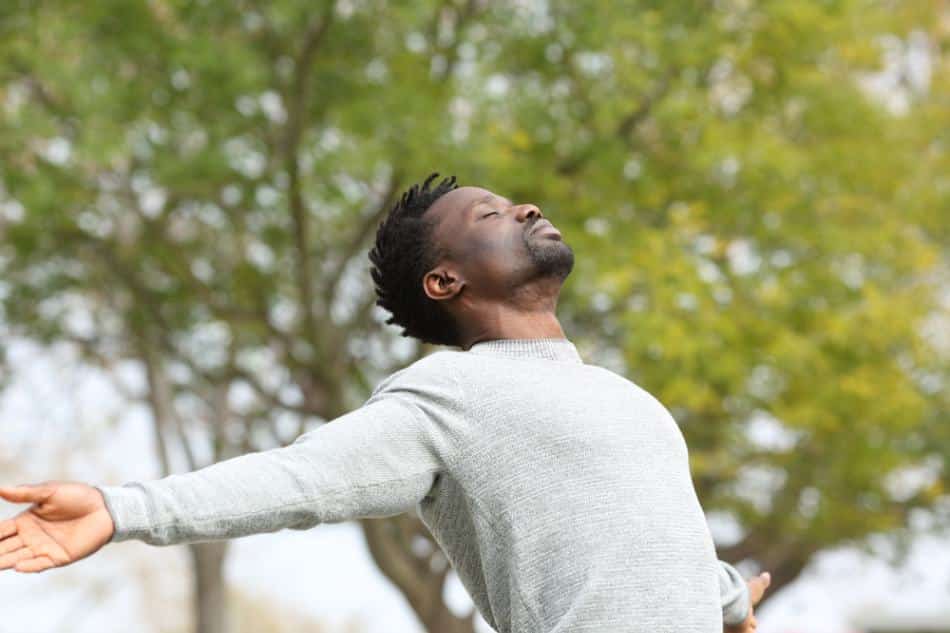
Stress seems to be everywhere these days. Whether it’s the endless emails waiting for replies, the hustle of keeping up with social media, or just trying to make it on time to appointments, it’s easy to feel overwhelmed.
In fact, a survey by the American Psychological Association found that around 78% of Americans felt significant stress due to the pandemic, showing how common it is for external events to crank up our stress levels.
Mindfulness might sound a bit trendy, but it’s a tried-and-true method for cutting down stress that’s deeply rooted in ancient practices. It’s all about paying attention to the present moment without judgment. Whether it’s noticing the air against your skin or the thoughts passing through your mind, mindfulness teaches us to observe without getting caught up.
But how do we make mindfulness even more powerful?
This is where imagery, and especially analogies and metaphors, come into play. Describing our thoughts or feelings with comparisons helps make the invisible, visible. Think of it like picturing stress as a tangled ball of yarn, and each mindful moment helps untangle a part of it. Using an analogy vs metaphor, explained by EssayPro, adds depth to our mindfulness practice, making these abstract concepts easier to grasp.
Understanding Mindfulness and Imagery
Mindfulness is a bit like turning down the volume on a noisy radio in your mind, allowing you to tune into the clear, calm frequency underneath. It’s the practice of being fully present and engaged in the moment, aware of your thoughts and feelings without distraction or judgment.
This practice is grounded in psychology and has shown significant benefits in various aspects of mental health, including:
- Reducing symptoms of anxiety and depression
- Improving attention
- Boosting immunity which can be stressed by chronic emotional strain.
At its core, mindfulness is a kind of mental training, and one of the most powerful tools in this training is imagery. When we talk about imagery in mindfulness, we’re not just talking about seeing pictures in your mind. It’s about creating a full sensory experience that represents what you want to feel or achieve.
Interestingly, when you imagine something vividly, your brain responds almost as if it were really happening. This can help lower stress hormones like cortisol and create a greater sense of calm.
To make this idea more concrete, let’s look at a couple of examples:
- Think about the metaphor of “mind as water.” When you’re stressed, the surface of the water is choppy and turbulent. But if you imagine yourself diving beneath the surface, you find that the water becomes still and clear. This image helps you connect with the peace that’s always there, just below the surface.
- Picture your thoughts as leaves floating down a river. You’re sitting on the bank, watching them pass by without getting caught up in them. This helps you recognize that thoughts are just thoughts — temporary and not who you are at your core.
By using these mental images, you can better understand your emotions and change how you relate to stress and anxiety, turning mindfulness into a powerful tool for a more peaceful life.
Techniques Incorporating Imagery
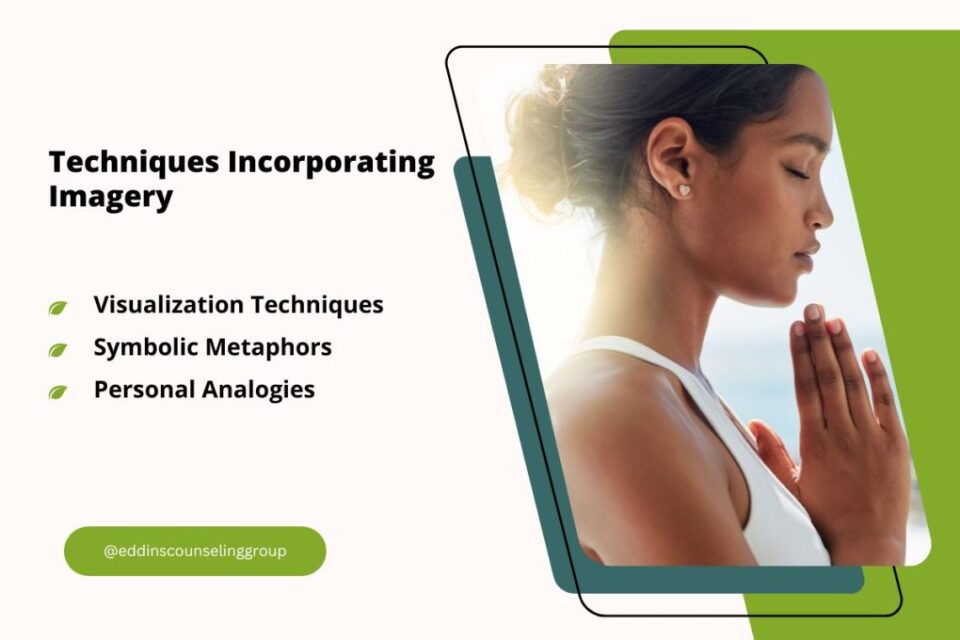
Visualization Techniques
One of the most effective ways to deepen your mindfulness practice is through visualization techniques, like guided imagery meditation.
This method invites you to create a vivid mental image that helps your mind and body relax. Imagine, for instance, being guided through a peaceful forest. You might visualize the sunlight filtering through the trees, feel the soft earth under your feet, and hear the gentle rustle of leaves in the breeze. Don’t just see the scene in your mind’s eye — fully immerse yourself in it.
Symbolic Metaphors in Practice
Symbolic metaphors are another simple yet powerful tool in mindfulness exercises. These metaphors help you visualize complex emotions or states of mind in a way that’s easier to understand and manage.
- One of the most common metaphors used in mindfulness is imagining your stress as a cloud. You picture this dark cloud hovering above you, and as you breathe out, you see it slowly drift away, leaving behind a clear, open sky.
- Another example is the metaphor of a sandcastle built on the shore. As the tide comes in, it gradually washes away the sandcastle. This represents how thoughts and feelings, no matter how intricate or significant they may seem, are temporary and subject to change.
Using Personal Analogies
While guided imagery and symbolic metaphors are widely used, creating personal analogies can make your mindfulness practice even more effective. Personal analogies are unique to you: they’re based on your own experiences, memories, or interests, which makes them more meaningful and powerful.
For example, if you love gardening, you might picture your mind as a garden. Each thought could be a plant — some are flowers you want to nurture, while others might be weeds you need to pull out. This analogy helps you focus on cultivating positive thoughts while letting go of the negative ones.
Creating personal analogies involves reflecting on what resonates with you. Think about activities or environments that bring you peace, and then use them as a basis for your mindfulness practice. When people personalize their mindfulness exercises, they are more likely to stick with the practice and experience its long-term benefits.
Benefits of Imagery in Mindfulness

Imagery techniques in mindfulness aren’t just abstract ideas — they have real benefits for how you handle stress and emotions. Here’s a look at how using imagery can make a tangible difference in your daily life:
- Reduces Stress and Anxiety: Imagery can help lower stress and anxiety by guiding your mind to peaceful places. For instance, imagining yourself on a calm beach or in a quiet forest can help ease stress and create a sense of calm. This technique activates your body’s natural relaxation response, making it easier to handle everyday pressures.
- Improves Emotional Control: Using imagery can help you manage your emotions better. For instance, picturing your emotions as different colored balloons that you let go of can help you see them more clearly and not get overwhelmed. This way, you can keep your feelings in check and respond to them without getting too wrapped up.
- Boosts Focus and Concentration: Visualization can help you stay focused by letting you mentally rehearse tasks or goals. If you picture yourself succeeding at something, it can help sharpen your concentration and performance. This technique gets your mind ready for action, making it easier to stay on track.
- Promotes Relaxation and Calmness: Imagining soothing scenes, like a calm lake or a cozy room, can help you relax. These mental images trigger your body’s natural relaxation response, easing tension and making you feel more at peace. It’s a great way to unwind, especially after a hectic day.
- Strengthens Resilience to Stress: Imagery can make stress feel more manageable by changing how you see it. For example, picturing stress as a wave that you can ride out helps you feel like you’re in control. This shift in perspective makes stressful situations seem less overwhelming and easier to handle.
- Increases Self-Awareness: Using personal imagery techniques can help you understand yourself better. For example, imagining your mind as a clear lake that reflects your thoughts can give you a clearer view of your inner experiences. This self-awareness helps you recognize and manage your thoughts and feelings.
- Improves Sleep: Imagining calming scenes before bed can help you get a better night’s sleep. Visualize a peaceful meadow or a serene landscape to ease your mind and prepare your body for rest. This can help you fall asleep faster and enjoy a more restful night.
- Helps Reframe Negative Thoughts: Imagery can help you change the way you think about stress. For instance, picturing a stressful situation as a passing train makes it seem less intense and more temporary. This new perspective can make it easier to handle stress without letting it get the best of you.
- Improves Coping Skills: Visualization lets you mentally practice handling stress, which can boost your coping skills. By imagining yourself successfully dealing with challenges, you reinforce effective ways to manage real-life stressors. This mental practice makes it easier to face and overcome difficulties.
Implementing Mindfulness and Imagery in Daily Life
Getting mindfulness and imagery into your daily routine can be simpler than you think. Here’s how you can make these practices a regular part of your life, tackle common hurdles, and find more resources to help you along the way.
Practical Tips for Daily Practice
- Start Small: Begin with just a few minutes a day. Try setting aside 5 minutes each morning to practice mindfulness. You could sit quietly and focus on your breath, or use a simple imagery technique, like visualizing a calm beach. As you get more comfortable, you can gradually increase the time.
- Incorporate Into Daily Routines: Use moments in your day to practice. For instance, while you’re waiting for your coffee to brew, practice a quick breathing exercise or visualize your stress melting away. During your commute, you can use guided imagery to imagine a peaceful scene.
- Use Reminders: Set reminders on your phone or leave sticky notes in places you frequent. A note on your computer saying “Take a deep breath” or “Picture a peaceful place” can prompt you to take a mindfulness moment.
- Create a Ritual: Pair mindfulness with an existing routine. For example, after brushing your teeth, spend a minute visualizing a positive outcome for your day. Associating mindfulness with a daily habit helps make it a regular practice.
Challenges and Overcoming Them
It’s normal to get distracted during mindfulness practices. If you find your mind wandering, gently guide your focus back to your practice without being hard on yourself. Remember, it’s completely natural for thoughts to come and go. The important part is to acknowledge the distraction and return to your mindfulness exercise.
Maintaining a consistent mindfulness practice can also be difficult, but setting a regular time each day can help. Start with short, manageable sessions and gradually increase the duration as you become more comfortable. It’s important to focus on quality rather than quantity. Even brief, daily practices can make a big difference over time.
Resources for Further Exploration
If you’re looking to dive deeper into mindfulness and imagery, there are some great resources to help you out:
- For apps, check out Headspace or Calm. They provide guided meditations and imagery exercises that are perfect for getting started and keeping you motivated. These apps can make incorporating mindfulness into your daily routine easier and more engaging.
- In terms of books, “The Miracle of Mindfulness“ by Thich Nhat Hanh is a fantastic introduction to the practice. If you’re dealing with specific issues like depression, “The Mindful Way Through Depression” by Mark Williams offers helpful advice and insights.
- For courses, you might want to explore options on platforms like Coursera or Udemy. They offer various classes on mindfulness and imagery that can provide more structure and help you get the most out of your practice.
These resources can help you build and sustain your mindfulness practice, making it a natural and beneficial part of your everyday life.
To learn more about mindfulness and find a qualified therapist near you, visit the Eddins Counseling Group website today.
Feel free to visit additional resources:
1. Articles on specific topics on our blog.
2. RSVP for one of our free monthly webinars (or view past webinars)
3. Follow us on Facebook and Instagram for additional interviews and tips
4. Take another one of our self-test quizzes
5. Schedule a consult and find out how we can support you.
Why You Feel This Way
Get instant access to your free ebook.
Blog Categories
Join a Therapy Group
Events
List of events in Photo View
Adult DBT Skills Evening Group | Eddins Counseling
Virtual Event