
May 24, 2026
When Legal Stress Meets Emotional Overload: Finding Stability After a DWI-Related Situation
Written by Guest Author
Posted in Emotional & Mental Health, Self Help / Personal Development, Stress Management and with tags: mental health challenges, stress management, stressed

Facing a legal issue involving driving while intoxicated can be emotionally overwhelming. Beyond the legal consequences, many people experience anxiety, shame, fear, and confusion about what comes next. These emotional responses are natural, especially when the situation feels uncertain or high-stakes. In moments like these, emotional support and mental grounding become just as important as legal guidance.
It is not uncommon for individuals to feel mentally “stuck” after an arrest or charge, replaying events repeatedly and worrying about long-term consequences. These thoughts can disrupt sleep, strain relationships, and increase feelings of isolation. When emotional distress builds, it becomes harder to think clearly or make balanced decisions.
In such situations, some people begin seeking both emotional clarity and legal understanding, including resources like Texas Criminal Defense Group DWI attorneys in Texas to better understand what they are facing while also trying to stabilize their emotional state. Having both emotional support and accurate information can reduce panic and help restore a sense of control during a difficult time.
The Emotional Impact of Legal Challenges
Legal stress affects more than just practical decision-making. It often triggers emotional responses that resemble anxiety or trauma reactions. People may experience racing thoughts, difficulty concentrating, or emotional numbness.
These reactions are especially common when the situation involves uncertainty about outcomes, finances, or personal reputation. Emotional strain can also affect family members, creating tension at home and increasing feelings of pressure.
Common emotional responses include:
- Persistent worry or overthinking
- Sleep disruption or fatigue
- Irritability or emotional sensitivity
- Fear of judgment or social stigma
- Difficulty focusing on daily responsibilities
Understanding that these reactions are normal can be an important first step toward emotional regulation.
Why Clarity Matters During Uncertain Times
When stress levels rise, the mind often shifts into survival mode. This can make it difficult to process information clearly or plan ahead effectively. In legal situations, this can lead to confusion or avoidance, which may increase emotional distress over time.
Clarity helps restore emotional balance by reducing uncertainty. It allows individuals to separate facts from fear-based thinking. Support systems, whether emotional or legal, play a key role in helping people regain perspective.
Recent discussions in mental health reporting from BBC News highlight how stress and anxiety can significantly affect decision-making and emotional well-being when individuals face high-pressure situations.
Emotional Processing and Healthy Coping Strategies
When dealing with legal stress, emotional coping is not about ignoring the problem—it is about creating space to respond thoughtfully instead of reactively. Counseling approaches often encourage grounding techniques that help individuals stabilize their emotions.
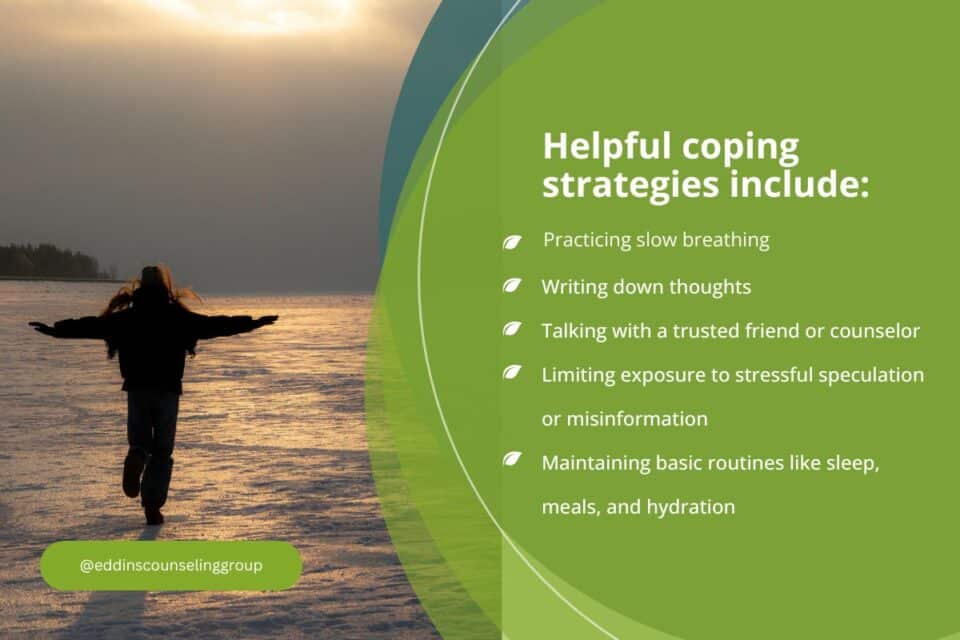
Helpful coping strategies include:
- Practicing slow breathing to reduce physical tension
- Writing down thoughts to organize emotional overwhelm
- Talking with a trusted friend or counselor
- Limiting exposure to stressful speculation or misinformation
- Maintaining basic routines like sleep, meals, and hydration
These small actions can help reduce emotional intensity and improve mental clarity over time.
How Stress Affects Decision-Making
Stress can significantly influence how people interpret information and make decisions. When anxiety is high, individuals may:
- Focus only on worst-case scenarios
- Misinterpret neutral information as negative
- Avoid important tasks due to fear or overwhelm
- Struggle to plan logically or sequentially
Research discussed by Forbes highlights how chronic stress impacts cognitive performance and decision-making, particularly in high-pressure environments. This reinforces the importance of emotional regulation when navigating complex life events.
Support Systems That Help Restore Balance
Emotional recovery during legal stress is often supported by a combination of internal coping skills and external guidance. No one has to process these experiences alone, and support can take many forms.
Emotional Support Options
- Individual counseling or therapy
- Peer or support groups
- Family or trusted friends
- Mindfulness or relaxation practices
- Journaling or expressive writing
Practical Stability Supports
- Clear legal information from professionals
- Step-by-step planning for next actions
- Financial guidance if needed
- Structured daily routines
| Area of Support | Purpose | Benefit |
| Emotional Support | Reduce anxiety and overwhelm | Greater emotional stability |
| Legal Guidance | Clarify rights and processes | Improved decision-making |
| Social Support | Reduce isolation | Increased resilience |
| Routine Building | Restore structure | Better focus and calm |
Balancing both emotional and practical support can help reduce the intensity of uncertainty and promote steadier thinking.
Understanding Shame and Self-Judgment
One of the most difficult emotional experiences after a legal issue is self-judgment. People often internalize the situation as a reflection of their identity rather than a specific event. This can lead to feelings of shame, which may prevent them from seeking help or speaking openly.
Therapeutic approaches emphasize separating behavior from identity. A single event does not define a person’s worth or future. Recognizing this distinction can reduce emotional burden and support healthier recovery.
Supportive reflection often involves questions like:
- What would I say to a friend in this situation?
- What part of this is within my control right now?
- What steps can help me feel more grounded today?
Moving Toward Emotional Stability
As emotional intensity begins to settle, individuals often find it easier to think more clearly and make informed decisions. This process takes time and patience, especially when stress has been high for an extended period.
Many people find that combining emotional support with accurate information helps them regain a sense of balance. Over time, this reduces fear-driven thinking and supports healthier decision-making patterns.
Reporting from The New York Times frequently highlights how emotional health and stress management play a significant role in overall well-being, particularly during life disruptions that involve uncertainty or conflict.
In moments of legal and emotional strain, it is important to remember that reactions such as anxiety, confusion, and fear are understandable responses—not permanent states. With steady support, accurate information, and space to process emotions, individuals can gradually regain stability and move forward with greater clarity and self-compassion.
Feel free to visit additional resources:
1. Articles on specific topics on our blog.
2. RSVP for one of our free monthly webinars (or view past webinars)
3. Follow us on Facebook and Instagram for additional interviews and tips
4. Take another one of our self-test quizzes
5. Schedule a consult and find out how we can support you.
Facing a DWI-related legal situation can feel emotionally overwhelming, especially in the early stages when uncertainty is high and the mind is trying to make sense of what happened. Alongside the legal process, many people experience anxiety, shame, fear, and persistent overthinking. It’s common for the brain to replay events, scan for worst-case outcomes, and struggle to focus on daily responsibilities. These reactions are often driven by stress and uncertainty rather than reality, and they can intensify when sleep is disrupted, routines fall apart, or support feels limited. Without grounding tools or emotional structure, it can become difficult to think clearly or feel in control, even when practical steps are being taken.
At Eddins Counseling & Therapy Group, we understand that managing the emotional impact of legal stress isn’t about ignoring what’s happening—it’s about learning how to steady your internal response while you move through it. Our therapists help clients work through anxiety, shame, and fear by building practical coping skills that can be used in real time. This includes grounding techniques, emotional regulation strategies, identifying thought patterns that amplify distress, and strengthening daily routines that support stability. We also focus on helping clients separate self-worth from situational outcomes, so a difficult experience doesn’t become a defining identity. Over time, these skills help reduce emotional intensity and support clearer, more balanced decision-making.
We offer in-person and online sessions to fit your needs. Call us today at 832-559-2622 or book online to get support in building the tools, structure, and clarity needed to navigate this period with greater steadiness and resilience.
Why You Feel This Way
Get instant access to your free ebook.
Blog Categories
Join a Therapy Group
Events
List of events in Photo View
-
Adult DBT Skills Evening Group | Eddins Counseling
Virtual Event -
-