
July 22, 2024
5 Signs It’s Time to See a Counselor
Written by Guest Author
Posted in Self Help / Personal Development and with tags: self care, self improvement, therapist, therapy

Our mental health is just as important as our physical health. However, many people don’t prioritize their mental health needs or seek professional help when they’re struggling. Seeking counseling can be intimidating, but it’s important to know when it’s appropriate to seek the support of a professional. In this blog post, we’ll highlight five signs that suggest it may be time to see a counselor.
Defining Counseling
Counseling is a form of therapy that involves talking to a trained professional about your thoughts, feelings, and behaviors. The goal of counseling is to help you understand and cope with difficult emotions or situations. Counseling can be helpful for a range of mental health issues, including anxiety, depression, trauma, and relationship problems.
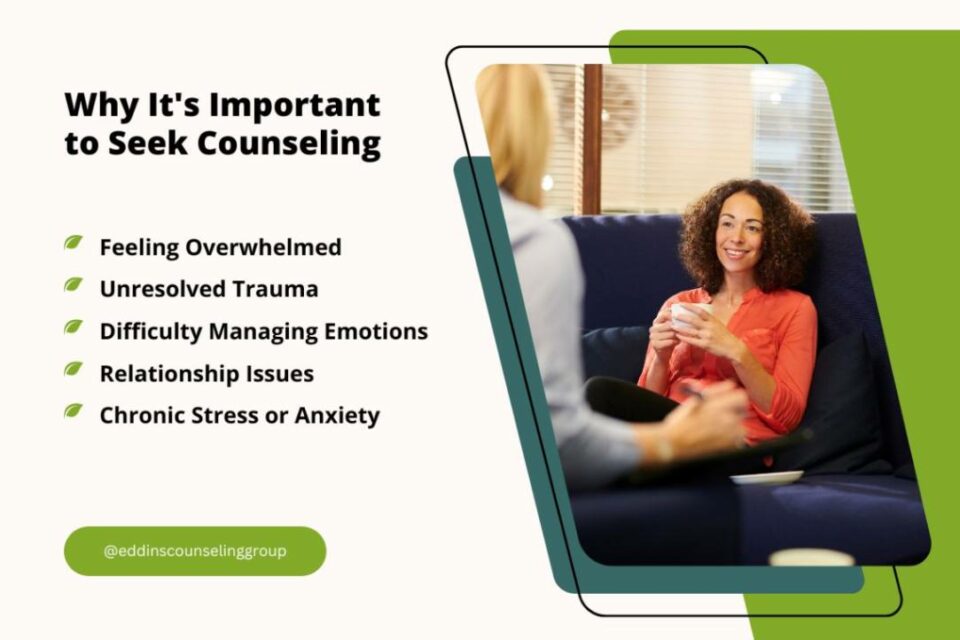
Why It’s Important to Seek Counseling
Seeking counseling can help you develop coping skills and strategies to manage difficult emotions or situations. Counseling can also help you identify patterns in your thoughts or behaviors that may be holding you back. Additionally, counseling can improve communication skills and enhance relationships.
Sign #1: Feeling Overwhelmed
If you’re feeling overwhelmed, it’s important to pay attention to both the physical and emotional symptoms. Physical symptoms of overwhelm can include fatigue, headaches, and muscle tension. Emotional symptoms of overwhelm can include irritability, restlessness, and difficulty concentrating.
If you’re experiencing these symptoms, it may be time to seek counseling. A counselor can help you identify triggers for overwhelm and develop coping skills to manage stress and anxiety.
Sign #2: Unresolved Trauma
Trauma can have a significant impact on mental health. Types of trauma can include physical abuse, sexual assault, and emotional abuse. If you’ve experienced trauma and haven’t received treatment, it may be time to seek counseling.
Counseling can help you process trauma and develop coping skills to manage symptoms of post-traumatic stress disorder (PTSD). Treatment options for trauma can include talk therapy, cognitive behavioral therapy, and eye movement desensitization and reprocessing (EMDR).
Sign #3: Difficulty Managing Emotions
Difficulty managing emotions can manifest in a variety of ways, including anger outbursts, overreaction to minor issues, and feeling out of control. If you’re experiencing these symptoms, it may be time to seek counseling.
A counselor can help you identify the underlying causes of emotional dysregulation and develop tools for managing difficult emotions. Treatment options can include talk therapy, mindfulness practices, and cognitive behavioral therapy.
Sign #4: Relationship Issues
Relationship issues can be a significant source of stress and anxiety. Types of relationship issues can include communication difficulties, trust issues, and infidelity. If you’re experiencing relationship issues, it may be time to seek counseling.
A counselor can help you identify patterns in your relationships and develop communication skills to enhance your relationships. Additionally, counseling can help you process feelings of betrayal or hurt and develop strategies for rebuilding trust.
Sign #5: Chronic Stress or Anxiety
Chronic stress can have a significant impact on mental health. Physical symptoms of chronic stress can include headaches, digestive issues, and insomnia. Mental health symptoms can include anxiety, depression, and irritability.
If you’re experiencing these symptoms, it may be time to seek counseling. A counselor can help you identify sources of chronic stress and develop coping skills to manage stress and anxiety. Treatment options can include talk therapy, mindfulness practices, and cognitive behavioral therapy.
Finding a Counselor
Finding a counselor can be intimidating, but there are many resources available. You can start by asking for recommendations from friends or family members, or by searching for licensed therapists in your area online.
When looking for a counselor, it’s important to find someone who is a good fit for you. This may involve trying out a few counselors before finding the right one. Additionally, it’s important to make sure that the counselor is licensed and trained in the areas you’re seeking help with.
Benefits of Seeking Professional Support
Seeking professional support can have many benefits for mental health. Counseling can improve coping skills, enhance communication, and improve relationships. Additionally, counseling can help you develop self-awareness and improve emotional regulation.
If you’re experiencing any of the signs outlined in this post, it may be time to seek counseling. Remember, seeking help is a sign of strength, and there is no shame in prioritizing your mental health needs. Our Houston therapists, Montrose therapists, or Sugar Land therapists look forward to working with you!
Feel free to visit additional resources:
1. Articles on specific topics on our blog.
2. RSVP for one of our free monthly webinars (or view past webinars)
3. Follow us on Facebook and Instagram for additional interviews and tips
4. Take another one of our self-test quizzes
5. Schedule a consult and find out how we can support you.