
August 9, 2025
Emotional Triggers That Can Cause Relapse and Ways to Manage Them
Written by Guest Author
Posted in Emotional & Mental Health, Substance Abuse and with tags: addiction, addiction support, emotional regulation

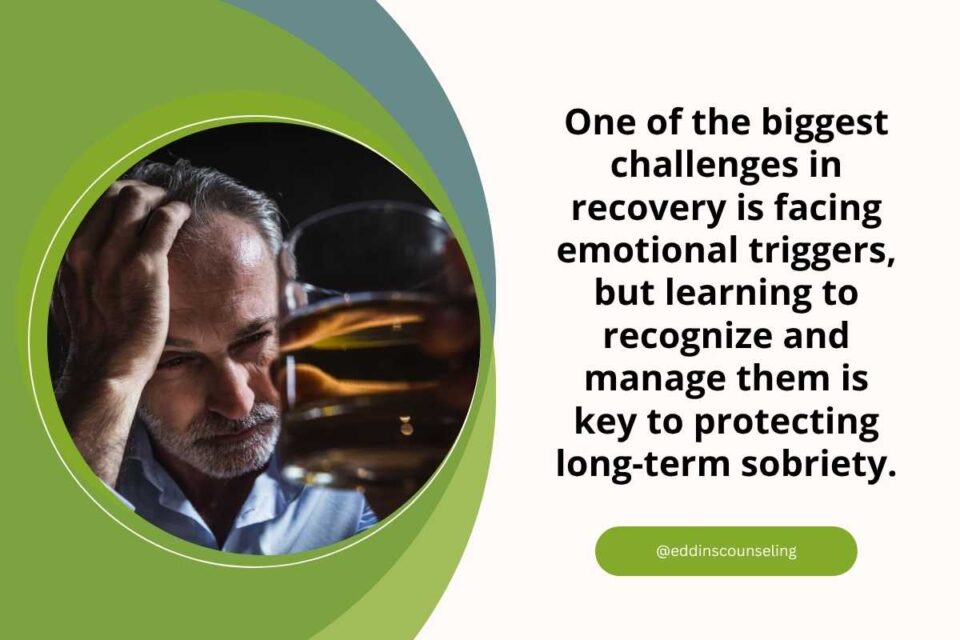
Recovery from addiction isn’t just about staying away from substances; it’s about navigating life’s emotional ups and downs without falling back into old patterns. One of the most common pitfalls people face during recovery is encountering emotional triggers that lead to relapse. Understanding these triggers and knowing how to manage them can be a powerful step toward maintaining long-term sobriety. Let’s take a look at the most common emotional triggers that can cause relapse and explore practical ways to handle them effectively.
Stress: The Most Common Relapse Trigger
Stress is part of everyday life, but for someone in recovery, it can be particularly dangerous. Whether it’s financial pressure, relationship conflicts, work-related tension, or just the overwhelm of day-to-day responsibilities, stress often pushes individuals toward their old coping mechanisms. In recent years, we’ve also become more and more aware of the impact of digital technology on mental health, from constant notifications to the pressure to stay connected at all times.
So, instead of waiting for stress to build up, you need to identify early warning signs. Tight shoulders, irritability, or racing thoughts can be cues to pause and reset. Moreover, make sure you keep in touch with the people you love. Talking to someone, whether it’s a friend, sponsor, or therapist, can relieve the emotional load and help you get perspective before things escalate.
Loneliness and Isolation
Even in our hyper-connected world, many struggle with coping with loneliness, especially when familiar social patterns are disrupted in recovery. Feeling disconnected from others is a major emotional trigger, especially when someone is used to socializing in settings that involve substance use. Loneliness can creep in gradually, especially after the initial excitement of recovery fades.
If you need to manage your loneliness, consider the following:
- Join support groups – Regularly attending meetings can provide structure and a sense of community.
- Create a social routine – Schedule regular check-ins with friends or family, even if it’s just a weekly coffee or phone call.
- Volunteer or get involved – Giving back or engaging in community activities can reduce feelings of isolation and build meaningful connections.
Emotional Triggers That Can Cause Relapse: Guilt and Shame
Further on the list of common emotional triggers that can cause relapse are guilt and shame. Many people in recovery carry guilt about past actions or feel ashamed about having struggled with addiction in the first place. These emotions can be heavy and hard to shake, especially if they’re not openly addressed.
The best tip for managing these feelings is to acknowledge and accept them. Everyone makes mistakes. Rather than trying to erase the past, focus on learning from it. Of course, if you feel like you need additional support, professional therapy can help you work through deep-seated guilt and build healthier self-esteem. Finally, practice self-forgiveness. For instance, write a letter to yourself or try journaling to process these emotions constructively.
Boredom
When substances are no longer part of life, there can be a noticeable void. Many people underestimate how high boredom ranks among the most common relapse triggers, often feeling unbearable without familiar coping mechanisms.
To avoid boredom, create a daily structure. Having a loose plan for your day reduces the chance of falling into idle time. Moreover, try new activities. Hobbies, classes, or creative projects can keep your mind engaged and bring back a sense of enjoyment. Finally, setting small goals, such as working toward something simple like reading a book or running a 5K, can provide focus and motivation.
Anger and Resentment
Unresolved anger, whether toward others, the world, or yourself, can build up and trigger a relapse. It’s a powerful emotion that often feels justified, but holding onto it can be harmful in recovery. For these emotions, you must recognize the signs early on. First clues, such as tension, irritability, and racing thoughts, are signs that anger might be taking hold. Moreover, try to use healthy outlets. Physical activity, creative expression, or simply talking through your frustrations can help defuse the intensity.
Finally, to avoid anger, work on your forgiveness. That doesn’t mean excusing bad behavior, but choosing not to carry the emotional weight that comes with resentment.
Overconfidence
Ironically, feeling “too good” can also be risky. When things start to go well, some people might let their guard down and believe they can handle “just one drink” or “just this once.” Instead of doing that, you should try to stick to your plan. Even during high points, continue attending meetings, practicing self-care, and staying in touch with your support network. Always remind yourself of why you started this journey and how far you’ve come. And, if you find yourself skipping routines or avoiding check-ins, understand it’s time to refocus.
Building Your Emotional Toolkit
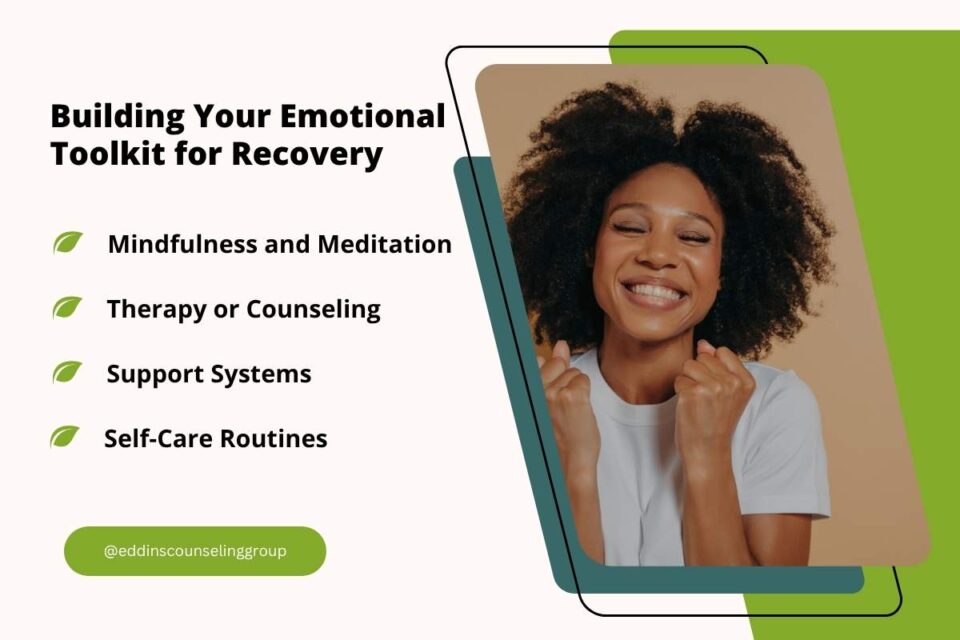
While everyone’s triggers are unique, emotional awareness and healthy coping mechanisms are essential for long-term recovery. Here are a few general strategies that help across the board:
- Mindfulness and Meditation: These practices help you stay present and aware of your emotional state, making it easier to respond thoughtfully rather than react impulsively.
- Therapy or Counseling: Talking to a professional provides a safe space to explore emotional patterns, work through trauma, and build resilience. Beyond awareness and self-care, having practical coping skills to support your mental health makes a real difference. From grounding exercises to structured self-check-ins and mood tracking, even simple breathing tools, these resources help prevent feeling overwhelmed and reduce the risk of emotional relapse.
- Support Systems: Surround yourself with people who support your sobriety and encourage growth. Whether it’s friends, family, or support groups, having someone to lean on is vital.
- Self-Care Routines: Daily habits that nurture your physical and mental health. Practicing good sleep hygiene, along with proper nutrition and exercise, helps support emotional balance daily.
Manage Emotional Triggers Effectively
Emotional triggers that can cause relapse are a part of everyday struggle in recovery. However, they don’t have to control the outcome. By learning to recognize them and having practical tools in place, you give yourself the best chance at maintaining your hard-earned progress. Recovery isn’t about being perfect; it’s about staying present, staying connected, and showing up for yourself, one day at a time.
Feel free to visit additional resources:
1. Articles on specific topics on our blog.
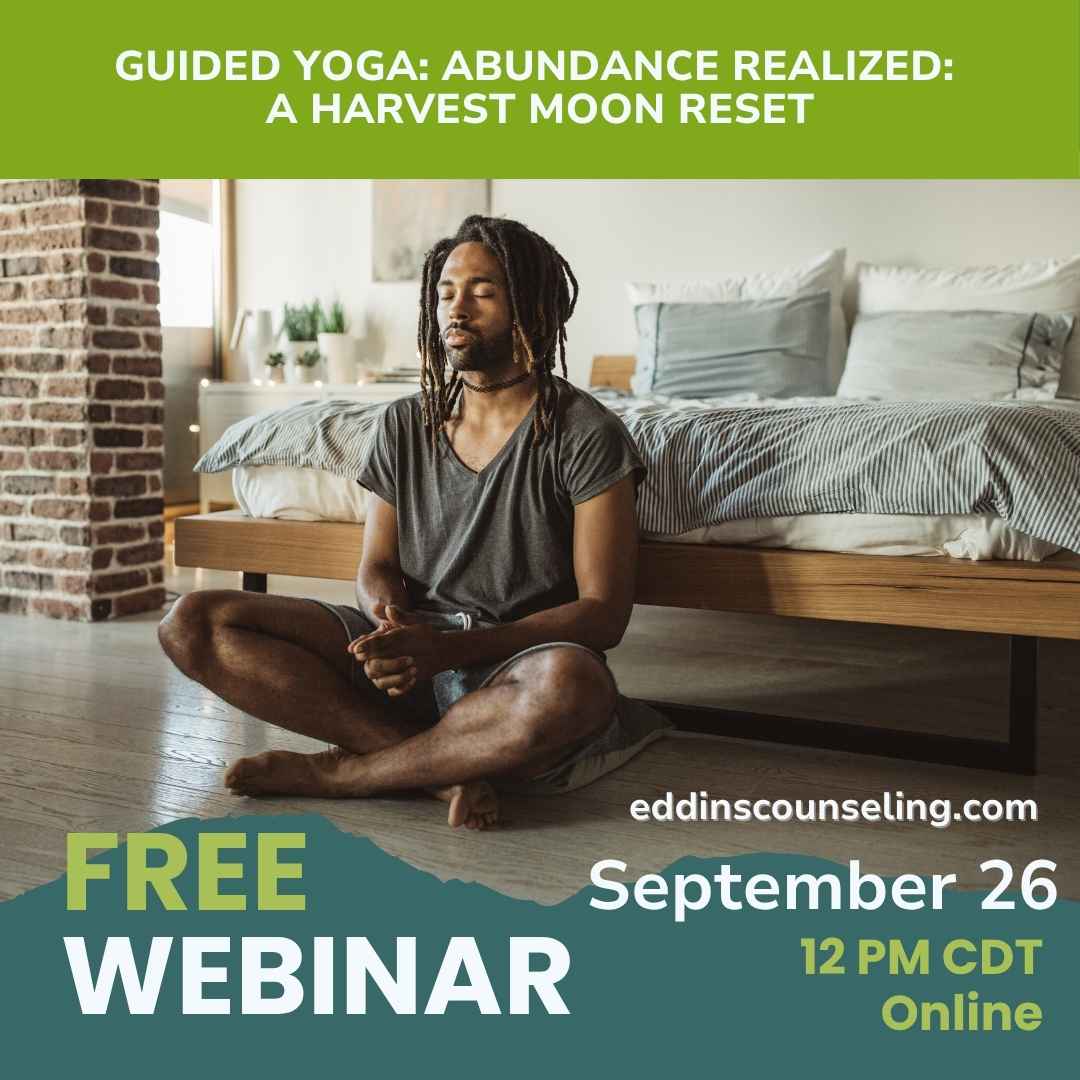
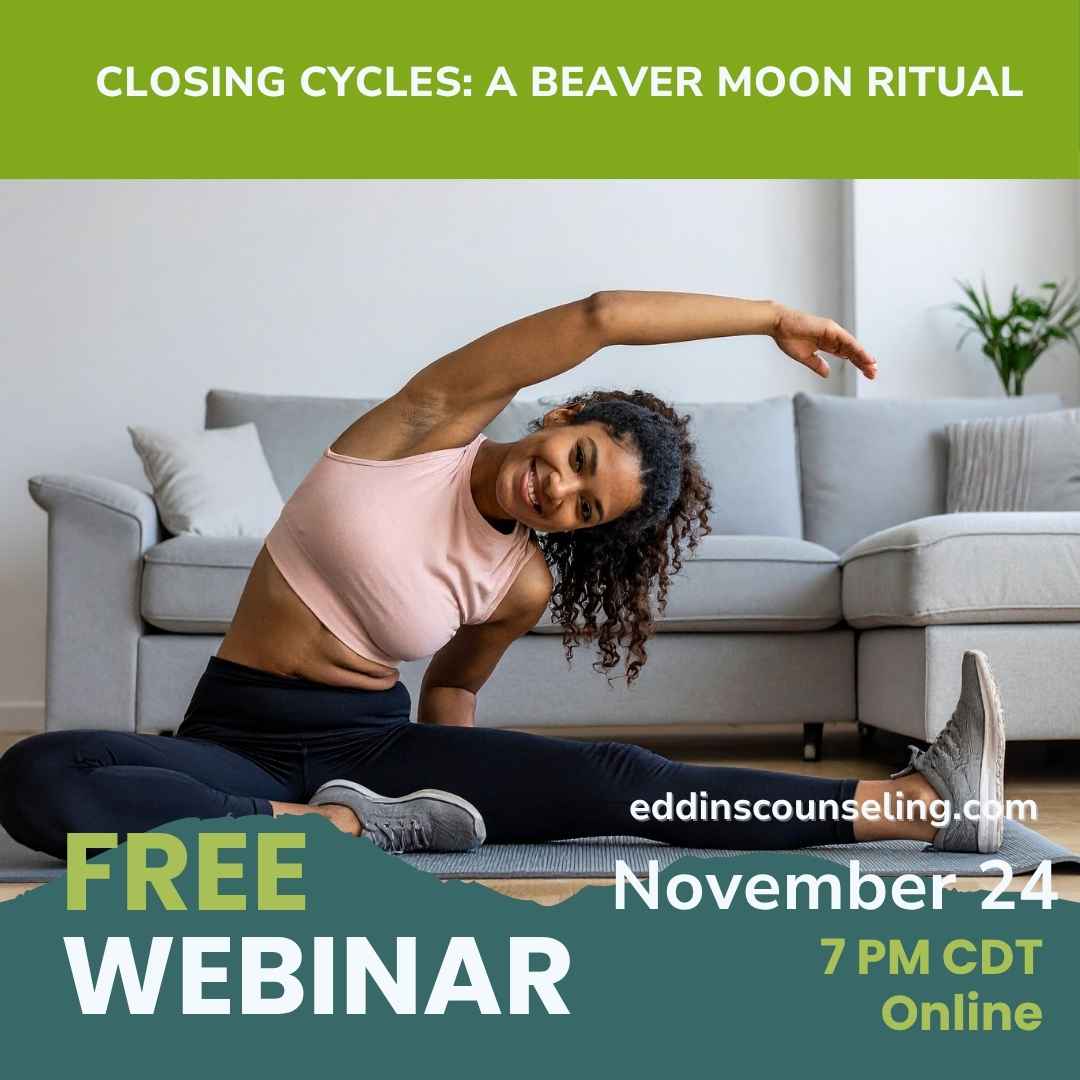
2. RSVP for one of our free monthly webinars (or view past webinars)
3. Follow us on Facebook and Instagram for additional interviews and tips
4. Take another one of our self-test quizzes
5. Schedule a consult and find out how we can support you.
Emotional triggers can feel like they come out of nowhere—a sudden rush of stress, sadness, or frustration that leaves you vulnerable to old habits. These triggers often stem from deeper emotions like loneliness, guilt, shame, or unresolved grief. When left unaddressed, they can quietly chip away at your progress, increasing the risk of relapse. You might notice patterns: a certain person, situation, or even a time of year that stirs up strong emotions and makes it harder to stay on track.
At Eddins Counseling & Therapy Group, we understand that relapse is rarely about willpower—it’s often about unprocessed emotions and unmet needs. Whether you’re navigating recovery from substance use, an eating disorder, or other challenging behaviors, our therapists can help you identify your personal triggers, develop coping strategies, and build resilience. Together, we’ll work on practical tools—like grounding techniques, boundary-setting, and self-compassion practices—to help you respond to emotional triggers in a healthy way.
We offer in-person and online sessions to fit your needs. Call us today at 832-559-2622 or book online to start building the skills and support you need to protect your progress and your well-being.
Why You Feel This Way
Get instant access to your free ebook.
Blog Categories
Join a Therapy Group
Events
List of events in Photo View
Adult DBT Skills Evening Group | Eddins Counseling
Virtual Event