
December 2, 2024
Coping Skills: Tools to Support Your Mental Health
Written by Guest Author
Posted in Emotional & Mental Health, Self Help / Personal Development and with tags: mental health, self care, self improvement

Managing difficult emotions can feel overwhelming, but there are many coping strategies that can make a difference. At our counseling clinic, we believe in empowering you with practical tools that you can use in your daily life. Here are some effective coping skills to help you navigate tough times, relieve stress, and promote emotional well-being.
1. Emotional Release
Sometimes, the best way to cope with intense feelings is to let them out. Emotional release techniques involve expressing emotions through physical or vocal outlets, like yelling, crying, or laughing. You could try a cold shower, punch a pillow, or put on a favorite song and dance it out! Even something as simple as watching a funny movie to get a good laugh can help.
Pros:
- This method is great for releasing anger, fear, and overwhelming emotions.
- It helps relieve the internal pressure that emotions can create.
Cons:
- It’s not always possible to do in every situation, especially around others.
- Some people might view this as “acting out,” so consider where and when you choose to release.
2. Self-Love
Practicing self-love can be a powerful way to boost your mood and resilience. This could involve treating yourself to a relaxing activity, like a bubble bath, doing a skincare routine, making a comforting meal, or even just tidying up your space. Taking time for yourself reminds you that you’re worth the effort.
Pros:
- Self-love activities foster a positive relationship with yourself, which is helpful for feelings of guilt or shame.
- You deserve to be kind to yourself and to feel good about who you are.
Cons:
- Sometimes, self-love practices can feel difficult to initiate or may seem superficial, especially during low moments.
3. Thought Challenge
Challenging negative thoughts is an important coping skill, especially if you’re prone to self-critical or pessimistic thinking. Start by writing down negative thoughts, and then list reasons why these thoughts might not be true. Imagine what advice you’d give a friend who was experiencing similar thoughts, and try to apply that compassionate perspective to yourself.
Pros:
- Helps shift negative thinking patterns and encourages a more balanced, logical view.
- Can reduce the intensity of strong emotions by reframing thoughts.
Cons:
- This technique can be challenging when emotions are high, as shame and deep-seated beliefs can make it difficult to see things differently.
4. Access Your Higher Self
Engaging in altruistic acts can help shift the focus away from personal struggles. This might look like helping someone, volunteering, or even smiling at a stranger. Giving back and showing kindness to others can remind you of your own value and connect you to something bigger than yourself.

Pros:
- Reinforces the idea that everyone has value, including you.
- Purpose and fulfillment can come from even the smallest positive interactions.
Cons:
- Be mindful not to neglect yourself by focusing solely on helping others. It’s important to balance supporting others with self-care.
5. Distraction
Distraction is another tool that can provide temporary relief by shifting your focus away from difficult emotions. Engaging in an activity, like a puzzle, reading, gardening, or a creative project, can offer your mind a break from distressing thoughts. Distraction doesn’t solve the problem, but it can give you the mental space needed to process things later.
Pros:
- Provides short-term relief and a mental break.
- Helpful for getting through moments of intense stress or crisis.
Cons:
- This method can only be used for a limited time and doesn’t address the root of the issue. Overusing distractions can prevent you from dealing with underlying emotions.
6. Grounding
Grounding techniques use your senses to anchor you to the present moment, which can be especially helpful when dealing with anxiety or feelings of dissociation. Try grounding exercises like walking barefoot, noticing smells around you, tasting a flavorful snack, or doing yoga. These activities can calm your mind and body by helping you feel connected to the present.
Pros:
- Helps prevent feelings of dissociation and keeps you grounded.
- Reduces physical symptoms of anxiety by focusing on the immediate, sensory experience.
Cons:
- In some cases, staying slightly disconnected or “dissociated” may feel safer, especially if it’s a coping mechanism that has served you well.
Each of these coping skills offers unique benefits and can be tailored to fit different emotional needs. We encourage you to try various methods to see what works best for you. Remember, taking care of your mental health is a journey, and small steps can lead to big changes. If you’d like support in exploring these coping skills or finding the right techniques for you, our team at the counseling clinic is here to help.
Feel free to visit additional resources:
1. Articles on specific topics on our blog.
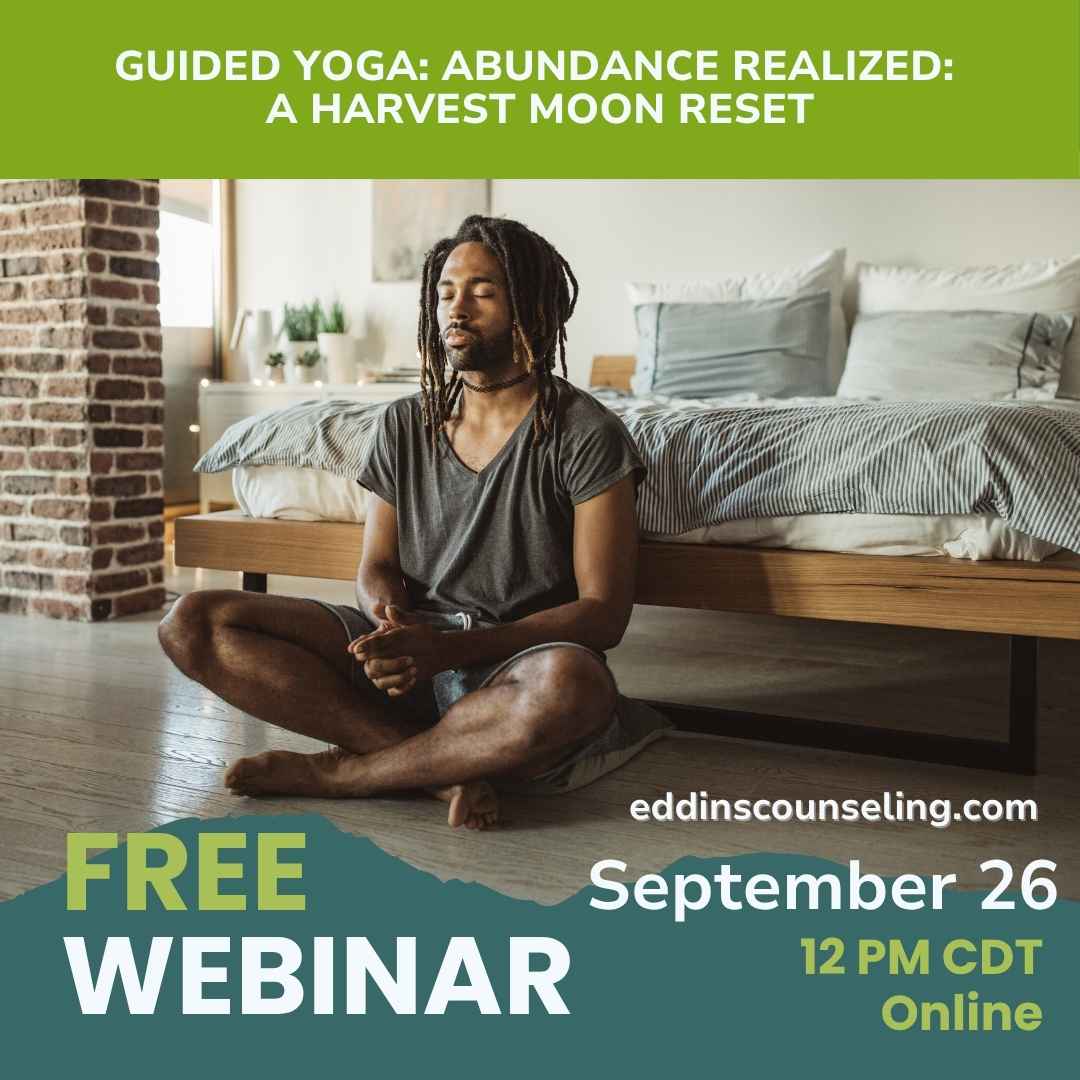
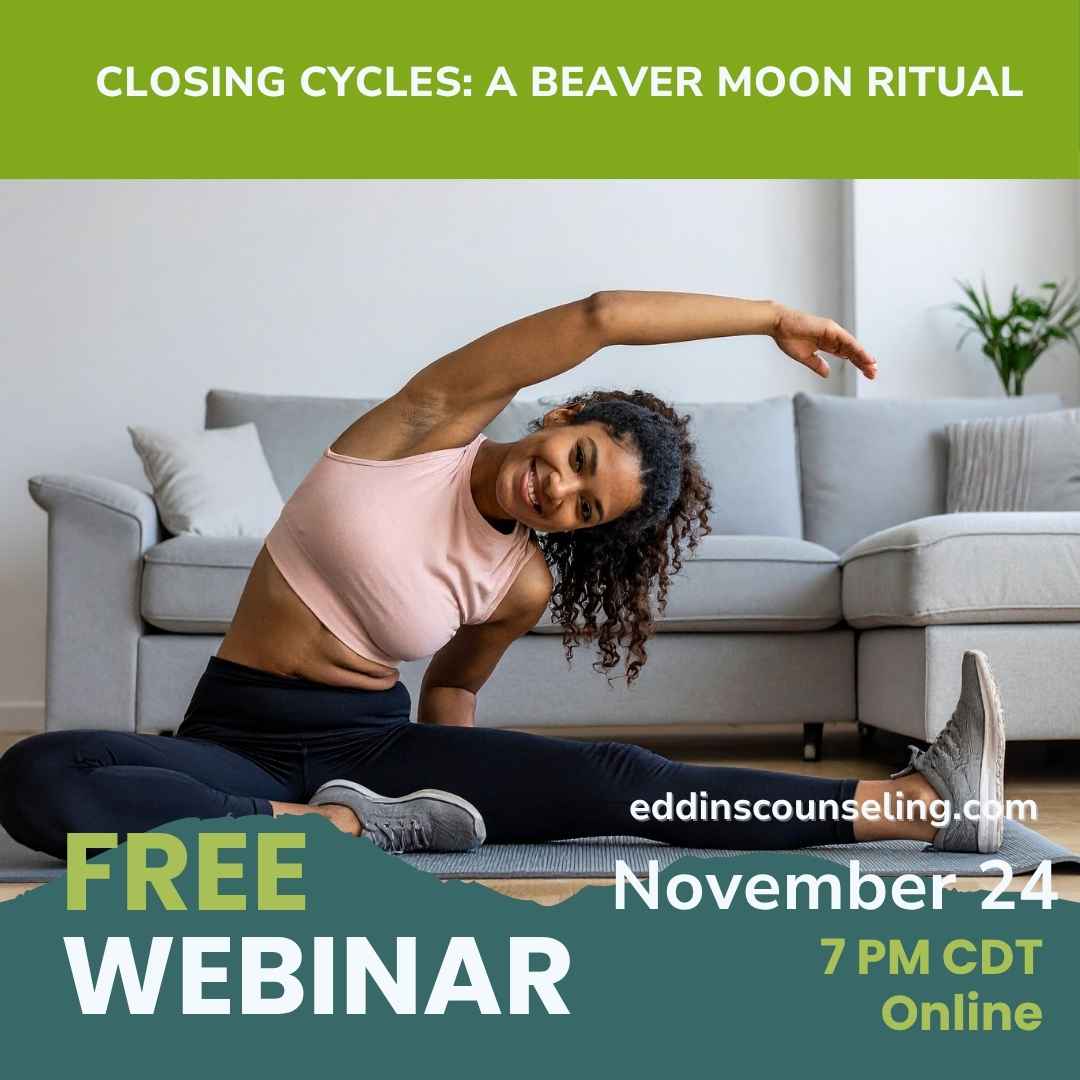
2. RSVP for one of our free monthly webinars (or view past webinars)
3. Follow us on Facebook and Instagram for additional interviews and tips
4. Take another one of our self-test quizzes
5. Schedule a consult and find out how we can support you.
Why You Feel This Way
Get instant access to your free ebook.
Blog Categories
Join a Therapy Group
Events
List of events in Photo View
-
Adult DBT Skills Evening Group | Eddins Counseling
Virtual Event -
-