
September 17, 2024
The Interplay of Hormonal Changes and Mental Health: Counselling Strategies for Women’s Reproductive Health
Written by Guest Author
Posted in Emotional & Mental Health and with tags: mental health, mental health challenges, women's issues

Hormonal changes are a natural part of a woman’s life, influencing various aspects of her physical and mental health. From puberty to menopause, and through pregnancy and postpartum, these fluctuations can have profound effects on mood, cognition, and overall well-being. While the physiological impacts of hormonal changes are widely recognized, their psychological implications are often less understood, despite being equally significant.
Addressing these mental health challenges is crucial for promoting holistic well-being in women. This is where the expertise of specialists like Gynaecologist Dr I-Ferne Tan in Sydney becomes invaluable. Her approach integrates both physical and mental health care, ensuring that women receive comprehensive support throughout their reproductive years.
In this article, we explore the complex relationship between hormonal changes and mental health, examining how these shifts affect women differently at various life stages. We will also discuss counseling strategies that can help women navigate these changes, promoting better mental health outcomes.
Understanding Hormonal Changes and Their Impact on Mental Health
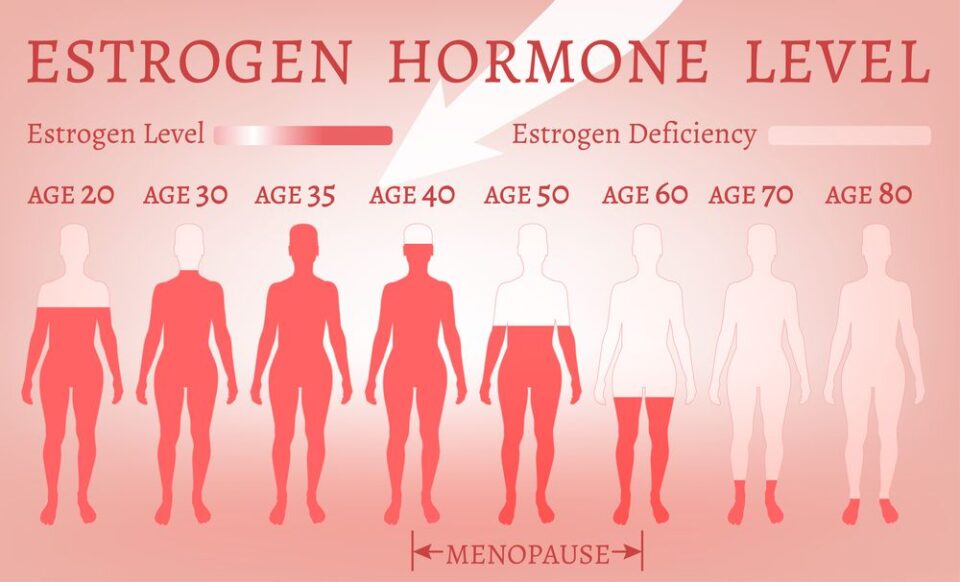
Hormones play a vital role in regulating mood and behavior, and any imbalance can lead to significant changes in mental health. For instance, fluctuations in estrogen and progesterone levels, common during the menstrual cycle, can trigger symptoms of anxiety, depression, and irritability in some women. This is often observed in conditions like premenstrual syndrome (PMS) and premenstrual dysphoric disorder (PMDD), where the psychological symptoms can be severe enough to impact daily life.
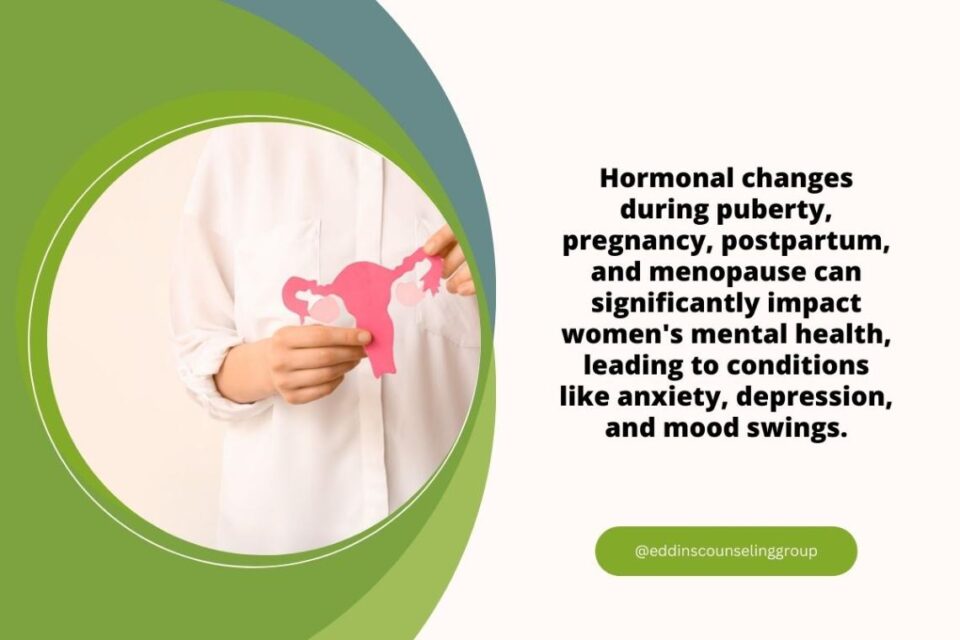
Similarly, hormonal changes during pregnancy, postpartum, and menopause can also lead to mental health challenges. Postpartum depression, for example, affects approximately 1 in 7 women globally, according to the World Health Organization (WHO). The interplay between declining estrogen levels and the stress of new motherhood can trigger symptoms of depression and anxiety. During menopause, the decline in estrogen can also lead to mood swings, depression, and anxiety, further complicating the mental health landscape for women.
The Role of Counseling in Managing Hormonal-Related Mental Health Issues
Counseling plays a pivotal role in helping women manage the mental health effects of hormonal changes. By providing a safe space to discuss feelings and experiences, counseling can help women understand and cope with the emotional challenges associated with hormonal fluctuations. Cognitive-behavioral therapy (CBT), for example, is a well-established counseling approach that helps women identify and change negative thought patterns that contribute to anxiety and depression.
For women experiencing postpartum depression, counseling can be particularly beneficial. It provides them with strategies to manage the overwhelming emotions that often accompany this period, such as feelings of inadequacy, guilt, or anxiety about their new role as a mother. Gynaecologist Dr I-Ferne Tan in Sydney, for instance, integrates counseling into her care plan for postpartum women, recognizing the importance of mental health support during this critical time.
Counseling is also valuable during menopause, where women may experience a range of psychological symptoms, including depression, anxiety, and mood swings. A counselor can help women develop coping strategies to manage these symptoms, improving their quality of life during this transitional phase.
Integrating Holistic Approaches for Comprehensive Care
A holistic approach to managing the mental health effects of hormonal changes involves addressing not just the psychological symptoms but also the physical and lifestyle factors that contribute to overall well-being. This might include incorporating practices such as mindfulness, meditation, and regular physical activity, all of which have been shown to improve mood and reduce stress.
Nutrition also plays a crucial role in managing hormonal-related mental health issues. For example, a diet rich in omega-3 fatty acids, whole grains, and vegetables can help stabilize mood and reduce symptoms of depression. Counseling can help women develop healthier eating habits that support both physical and mental health.
In addition to traditional counseling methods, some women may benefit from complementary therapies such as acupuncture or herbal supplements, which have been used to manage symptoms of PMS, menopause, and other hormonal-related conditions. Integrating these holistic practices with conventional mental health care can provide a more comprehensive approach to managing the interplay between hormonal changes and mental health.
The Importance of Early Intervention and Support
Early intervention is key to managing the mental health effects of hormonal changes. Women who recognize the signs of mental health issues early on and seek support are more likely to experience better outcomes. This is why routine screenings for mental health conditions should be an integral part of women’s health care, especially during periods of significant hormonal change, such as pregnancy, postpartum, and menopause.
Healthcare providers, including gynecologists like Dr I-Ferne Tan in Sydney, play a critical role in identifying women at risk for mental health issues related to hormonal changes. By offering early counseling and support, they can help mitigate the impact of these changes on women’s mental health, preventing more severe issues from developing.
Peer support groups can also be a valuable resource for women dealing with hormonal-related mental health challenges. Sharing experiences with others who are going through similar situations can provide comfort and reduce feelings of isolation. These groups can also serve as a platform for women to learn new coping strategies and gain insights into managing their mental health.
Statistics Highlighting the Impact of Hormonal Changes on Mental Health
The prevalence of mental health issues related to hormonal changes underscores the need for effective counseling strategies. According to the Anxiety and Depression Association of America (ADAA), approximately 20% of women experience significant mood disturbances related to hormonal changes at some point in their lives. Additionally, the American College of Obstetricians and Gynecologists (ACOG) reports that up to 85% of women experience some form of PMS, with 5% to 8% experiencing severe symptoms that interfere with daily life.
During menopause, the North American Menopause Society (NAMS) notes that up to 23% of women experience depression, while anxiety affects approximately 51% of women during this transition. These statistics highlight the widespread impact of hormonal changes on women’s mental health and the critical need for accessible, effective counseling and support services.
Counselling Strategies Tailored to Individual Needs
Counseling strategies for managing the mental health effects of hormonal changes should be tailored to the individual needs of each woman. This personalized approach ensures that the counseling is relevant and effective, addressing the specific challenges that each woman faces.
For example, a woman dealing with severe PMS may benefit from a combination of CBT to manage negative thought patterns and lifestyle counseling to address diet and exercise habits. On the other hand, a woman going through menopause may require counseling focused on managing anxiety and depression, as well as strategies for coping with physical symptoms like hot flashes and sleep disturbances.
Gynaecologist Dr. I-Ferne Tan in Sydney emphasizes the importance of personalized care in her practice, recognizing that each woman’s experience with hormonal changes is unique. By offering tailored counseling strategies, she helps women navigate these changes with greater ease and confidence, improving both their mental and physical health outcomes.
Conclusion
The interplay between hormonal changes and mental health is complex and multifaceted, affecting women differently at various stages of their reproductive lives. Effective counseling strategies are essential for helping women manage the mental health challenges associated with these changes, promoting overall well-being and quality of life. Whether through cognitive-behavioral therapy, holistic approaches, or early intervention, counseling can provide women with the tools they need to navigate the emotional landscape of hormonal fluctuations.
Specialists like Gynaecologist Dr I-Ferne Tan in Sydney understand the critical role that mental health plays in women’s reproductive health. By integrating comprehensive counseling strategies into their care plans, they offer women the support they need to thrive at every stage of life. As awareness of the mental health impacts of hormonal changes continues to grow, the importance of accessible, personalized counseling services will only become more evident, helping to ensure that all women receive the care and support they deserve.
Author: Craig Lebrau
Feel free to visit additional resources:
1. Articles on specific topics on our blog.
2. RSVP for one of our free monthly webinars (or view past webinars)
3. Follow us on Facebook and Instagram for additional interviews and tips
4. Take another one of our self-test quizzes
5. Schedule a consult and find out how we can support you.
Why You Feel This Way
Get instant access to your free ebook.
Blog Categories
Join a Therapy Group
Events
List of events in Photo View
Adult DBT Skills Evening Group | Eddins Counseling
Virtual Event