
July 8, 2024
Why Therapy is an Essential Aspect of Recovery
Written by Guest Author
Posted in Emotional & Mental Health and with tags: mental health, online therapy, therapy

Whether you’re dealing with mental health issues, trauma, or addiction, the road to recovery is rarely straightforward. One of the essential aspects that can help people conquer the challenges of recovery is therapy. In short, it provides the right tools and strategies to help smooth what can be a difficult road.
Understanding why therapy is essential involves exploring various types of therapy, recognizing their benefits, and acknowledging the barriers that might prevent individuals from seeking help. By examining these aspects, we can better appreciate the essential role of therapy in recovery.
This article will discuss the significance of therapy in recovery, the different therapeutic approaches, the numerous benefits it offers, and ways to overcome obstacles to seeking therapy. We will also highlight expert insights to provide a comprehensive guide on why therapy is indispensable for recovery.
Understanding Recovery
For the context of this article, a useful exercise is to begin with a definition of what we mean by recovery. Recovery can be a complex process that involves overcoming various physical, emotional, and psychological challenges.
In essence, recovery is about reclaiming control over one’s life and well-being. It’s not just about the absence of symptoms. Recovery means achieving a fulfilling and meaningful life despite any ongoing struggles.
Different types of recovery include:
- Mental health recovery: Involves managing conditions such as depression, anxiety, bipolar disorder, and schizophrenia. It focuses on achieving mental stability and improving quality of life.
- Addiction recovery: Pertains to overcoming dependencies on substances such as alcohol, drugs, or behaviors like gambling. It aims to restore physical health and build coping mechanisms to prevent relapse.
- Trauma recovery: Focuses on healing from traumatic experiences, including physical, emotional, and psychological trauma. It involves processing the trauma and rebuilding a sense of safety and trust.
- Chronic illness recovery: Involves managing long-term health conditions such as diabetes, heart disease, or autoimmune disorders. It emphasizes improving physical health, adherence to treatment plans, and enhancing quality of life.
- Behavioral health recovery: Addresses behaviors that negatively impact one’s life, such as eating disorders, self-harm, or compulsive behaviors. It aims to develop healthy coping strategies and promote positive behaviors.
Recovery is invariably an ongoing and deeply personal journey. The type of therapy required to aid an individual will very much depend on their personal circumstances and individual requirements. Understanding the types of therapy available is the first step to a comprehensive approach to healing, growth, and personal fulfillment.
As Michelle Beaupre, PhD, LCSW at Villa Oasis, notes, “Recovery is a personal journey, and finding the right support and therapeutic approach can make all the difference. It’s about building a life that feels meaningful and fulfilling despite any challenges.”
Types of Therapy in Recovery
There is no “one-size-fits-all” approach to therapy as a means of recovery. Understanding the various options can help individuals choose the right treatment for the optimum path to recovery.
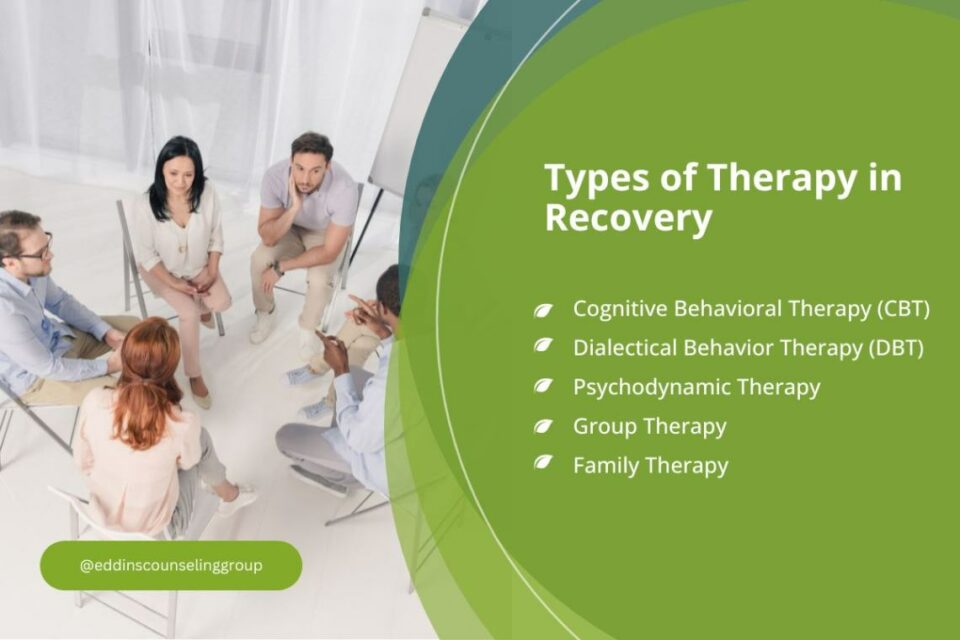
While the following list can’t be described as comprehensive, it does cover the major forms of therapy and describes relevant points of note for each one:
Cognitive Behavioral Therapy (CBT)
Cognitive Behavioral Therapy is a widely used approach that focuses on identifying and changing negative thought patterns and behaviors.
- Helps in recognizing and challenging distorted thoughts
- Provides practical strategies to manage stress and anxiety
- Emphasizes problem-solving and coping mechanisms
Dialectical Behavior Therapy (DBT)
Dialectical Behavior Therapy combines cognitive-behavioral techniques with mindfulness practices to help individuals manage emotions and develop healthier relationships.
- Focuses on building emotional regulation skills
- Teaches mindfulness and distress tolerance techniques
- Enhances interpersonal effectiveness and conflict resolution
Psychodynamic Therapy
Psychodynamic Therapy explores unconscious processes and past experiences to understand current behavior and emotional challenges.
- Aims to uncover and resolve deep-seated emotional conflicts
- Helps individuals gain insight into their behavior and motivations
- Encourages self-reflection and personal growth
Group Therapy
Group Therapy involves multiple participants working through their issues collectively under the guidance of a therapist.
- Provides a supportive environment to share experiences
- Encourages peer support and feedback
- Helps individuals feel less isolated in their struggles
Family Therapy
Family Therapy focuses on improving communication and resolving conflicts within family systems.
- Addresses family dynamics and relationships
- Helps in developing healthy communication patterns
- Strengthens family support for the individual’s recovery
Choosing the right type or combination of therapies is crucial for effective recovery. As April Crowe, LCSW at Paramount Wellness Retreat, emphasizes, “The key to successful recovery often lies in finding the right therapeutic approach that resonates with the individual. Combining different therapies can address various aspects of a person’s needs, leading to more comprehensive healing”
Benefits of Therapy in Recovery
Understanding the recovery process and the types of therapy that can aid it are crucial first steps. Here, we take a look at some of the specific benefits of therapy.
Personalized Treatment Plans
One of the primary benefits of therapy in recovery is the development of personalized treatment plans. Therapists tailor their approach to meet the specific needs of each individual.
- Addresses unique challenges and circumstances
- Ensures that treatment is relevant and effective
- Provides a structured approach to achieving recovery goals
Emotional Support and Guidance
Therapy offers a safe space for individuals to express their feelings and receive emotional support. Emotional support is more often than not an essential part of the healing process and therapy can be central to this.
- Offers a non-judgmental environment to discuss concerns
- Provides professional insight and coping strategies
- Helps individuals understand and process their emotions
Skill Development
Therapy equips individuals with practical skills that are essential for managing their recovery. These skills can be applied in various aspects of life, contributing to overall well-being.
- Teaches stress management and relaxation techniques
- Enhances communication and interpersonal skills
- Promotes healthy coping mechanisms and problem-solving abilities
Relapse Prevention
Therapy plays a critical role in preventing relapse by helping individuals understand their triggers and develop strategies to manage them effectively.
- Identifies potential triggers and high-risk situations
- Develops personalized relapse prevention plans
- Offers ongoing support and accountability
Holistic Healing
Therapy addresses not just the symptoms but also the underlying issues contributing to an individual’s challenges. This holistic approach leads to more comprehensive healing.
- Explores the root causes of addiction, mental health issues, or trauma
- Integrates various therapeutic approaches for well-rounded care
- Encourages self-discovery and personal growth
Barriers to Seeking Therapy
Getting started in therapy isn’t always straightforward. Despite its potential benefits for mental health and recovery, there can be barriers that prevent individuals from seeking therapy.
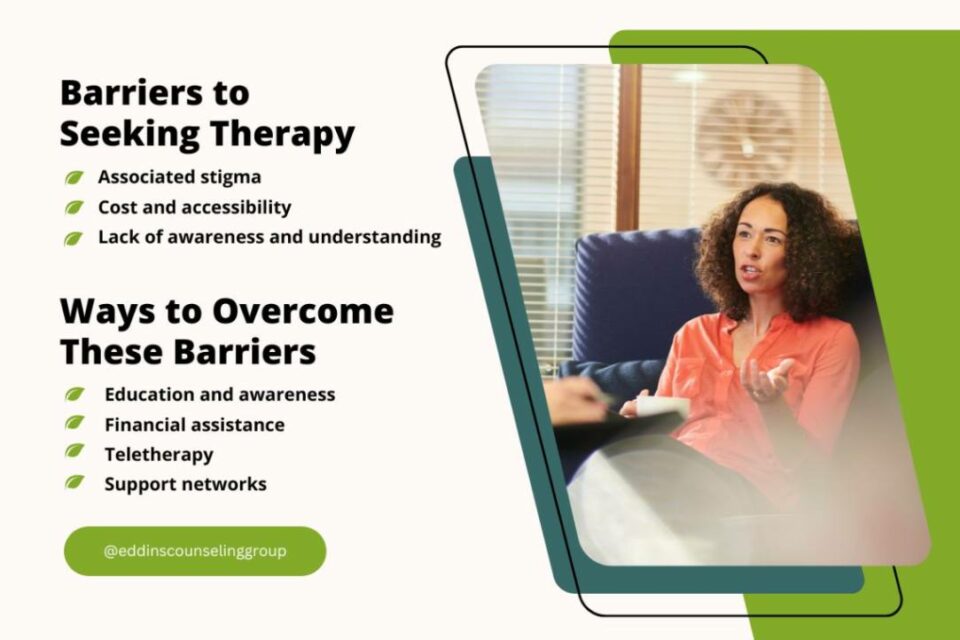
Common among them are:
- Associated stigma: While we do live in more enlightened times, there can still be a stigma about seeing a therapist. It can still be conceived as a sign of weakness or a belief that only those with severe mental health problems need therapy. It is also the case that certain cultural or societal norms may discourage seeking help for mental health concerns.
- Cost and accessibility: Therapy sessions can be prohibitively expensive, particularly without insurance coverage or adequate financial resources. Moreover, geographical location and long wait times for appointments can limit access to therapy services.
- Lack of awareness and understanding: This can be an incomplete understanding of how therapy works and its potential benefits. However, it can also be a failure to understand that a healing process is required. Some individuals perceive mental health challenges as a normal part of life and see no need for professional intervention.
Overcoming the barriers to therapy can be seen as the first step on the road to recovery. However, the first step is often the hardest of them all. Let’s take a look at some strategies that can help to overcome the barriers to therapy.
Ways to Overcome These Barriers
Overcoming barriers to seeking therapy is essential for improving mental health outcomes and overall well-being. Here are some effective strategies:
- Education and awareness: Promote understanding of the benefits of therapy and dispel myths and misconceptions.
- Financial assistance: Seek out low-cost or sliding-scale therapy options, utilize insurance benefits, or inquire about community resources.
- Teletherapy: Explore online therapy options that provide flexible and convenient access to therapy sessions.
- Support networks: Seek support from friends, family, or support groups to alleviate fears and increase comfort with the idea of therapy.
As Carolina Estevez, Psy.D. at Crestone Wellness, reminds us, “Overcoming barriers to therapy begins with acknowledging the importance of mental health and seeking the support you need. It’s about prioritizing your well-being and taking proactive steps towards healing”
Building a Support System Through Therapy
The saying – “no man is an island” is incredibly pertinent when it comes to recovery. Therapy does not only mean addressing individual challenges, it can also help build a solid support system that will continue to contribute to healing and growth on an ongoing basis.
Therapists can play a major role in creating the necessary supportive environment, one that extends beyond therapy sessions. It is a long-term view with a focus on guidance, encouragement, and openness.
Role of therapists in creating a support network:
- Enabling connections: Therapists help clients identify and connect with supportive individuals such as family members, friends, or support groups.
- Building rapport: Through empathetic listening and understanding, therapists establish a trusting relationship that encourages clients to open up and seek support.
- Encouraging participation: Therapists may suggest group therapy sessions or community activities that promote social interaction and peer support.
How Therapy Facilitates Communication and Trust:
- Safe space for expression: Therapy sessions offer a confidential and non-judgmental environment where individuals can freely express their thoughts, emotions, and concerns.
- Improving communication skills: Therapists teach effective communication techniques that enhance interpersonal relationships and strengthen support networks.
- Building trust: Over time, therapy helps individuals develop trust in themselves and others, fostering deeper connections and reliable support systems.
Therapy is an essential aspect of recovery both as a short-term strategy and as a long-term technique to help ensure that individuals remain recovered. Building a support system is one of the main ways therapy can address the bigger picture and make sure that the healing process is more than just a mere bandaid.
It is a point emphasized by Dr. Paul Daidone at True Self Recovery, who notes that “Therapy is not just about addressing immediate issues; it’s about equipping individuals with the tools and support they need to cultivate lasting relationships and a strong support network.”
Integrating Therapy with Other Recovery Strategies
While therapy is undoubtedly a powerful tool in the recovery process, its effectiveness can be enhanced when combined with other forms of treatment and strategies.
This methodology creates a more holistic approach to recovery and is also a nod to the complex nature of mental health and the challenges that afflicted individuals face.
Among the ways that therapy can be integrated into other recovery methods are:
- Medication: Therapy can work alongside medication to address the psychological aspects of mental health conditions. While medication can help manage symptoms, therapy can provide coping strategies and address underlying issues.
- Lifestyle changes: Incorporating healthy habits such as regular exercise, a balanced diet, and adequate sleep can complement the therapeutic process.
- Support groups: Joining support groups can provide a sense of community and shared experiences. Therapy can help individuals process their experiences in these groups and apply insights to their recovery journey.
- Mindfulness and relaxation techniques: Practices such as meditation, yoga, and deep breathing exercises can enhance the benefits of therapy by reducing stress and promoting mental clarity.
The adage – the whole is greater than the sum of its parts – can be applied here. While therapy is an essential part of recovery, it is very often at its most potent as a method when combined with other recovery strategies.
Therapy: The Key to a Resilient Recovery
Therapy is crucial for achieving and sustaining recovery. By addressing the root causes of mental health challenges and providing ongoing support, therapy allows individuals to build resilience, enjoy personal growth, and create a fulfilling life. Put simply, therapy is a vital component of your recovery journey toward lasting mental health and improved overall well-being.
Eddins Counseling Group provides mental health support and interventions tailored to the unique challenges you face. To get started, call us – your local Houston therapists and Sugar Land therapists – at (832) 559-2622.
Feel free to visit additional resources:
1. Articles on specific topics on our blog.
2. RSVP for one of our free monthly webinars (or view past webinars)
3. Follow us on Facebook and Instagram for additional interviews and tips
4. Take another one of our self-test quizzes
5. Schedule a consult and find out how we can support you.
Why You Feel This Way
Get instant access to your free ebook.
Blog Categories
Join a Therapy Group
Events
List of events in Photo View
-
Adult DBT Skills Evening Group | Eddins Counseling
Virtual Event -
-
-
-
-