
February 1, 2026
Building Healthy Routines That Support Long-Term Sobriety
Written by Guest Author
Posted in Emotional & Mental Health, Self Help / Personal Development, Substance Abuse and with tags: addiction, addiction support, emotional health, self improvement, substance use

Long-term sobriety gets easier when your days feel steady. That’s why building healthy routines matters so much. Routines help you handle stress, reduce cravings, and stay grounded when life feels unpredictable. Instead of relying on motivation alone, you can follow simple habits that support your mind and body. Here, you’ll learn practical routines for mornings, evenings, sleep, food, movement, and support.
Start With a Daily Anchor Habit
The best routines begin with one small habit you can repeat every day. That is your anchor. It keeps you steady when your mood changes or stress shows up. Choose something simple, like making your bed, drinking a glass of water, or stepping outside for fresh air. Then do it at the same time each morning.
Because the task is easy, you are more likely to stick with it. Over time, this one action builds confidence and creates momentum. Most importantly, it reminds you that your recovery matters today, not someday.
Build a Recovery-Friendly Morning Routine
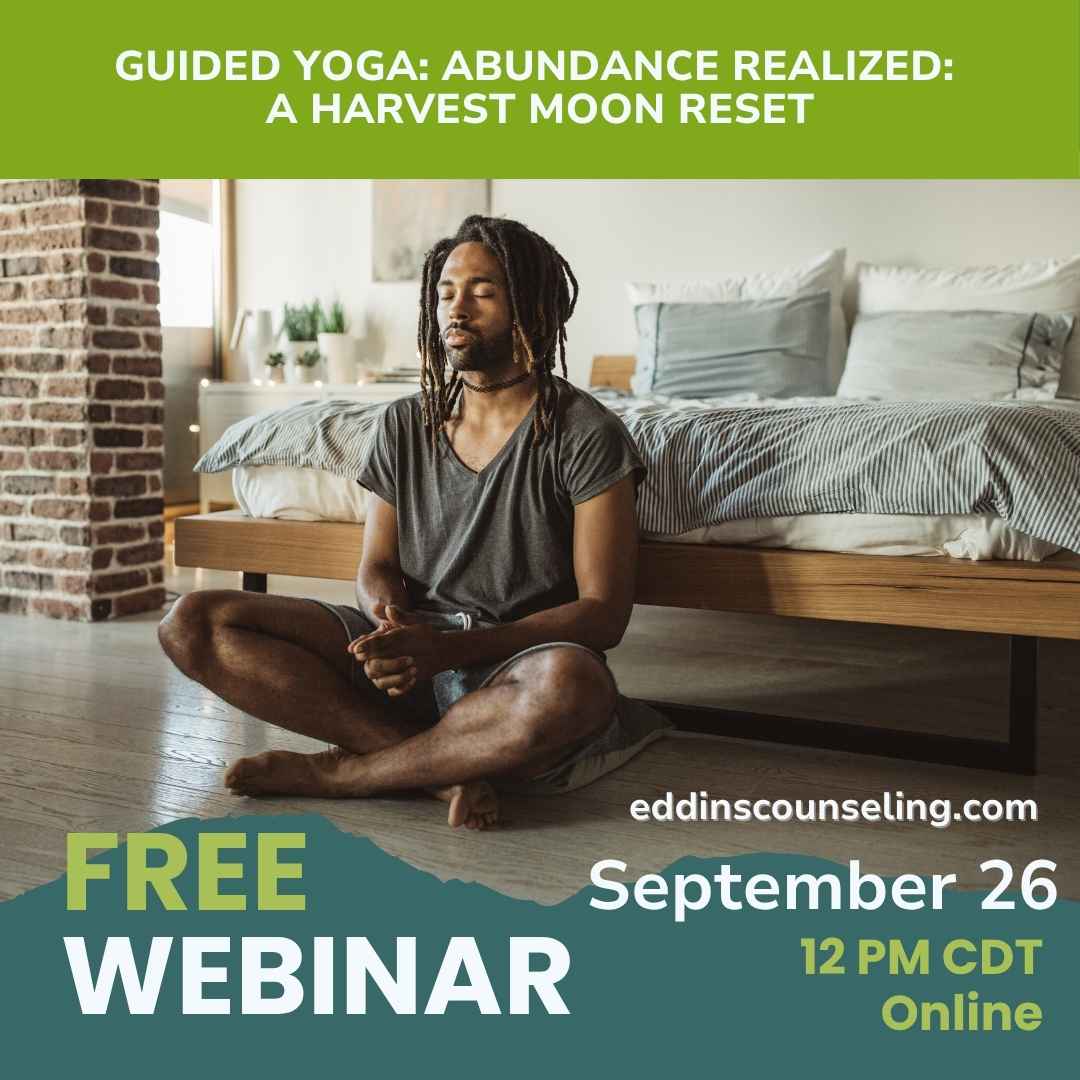
A simple morning routine can lower anxiety and reduce impulsive choices. Start with something physical, like a short walk or light stretching. Then add a calm habit, such as journaling or breath work. Yoga and meditation also help you reset, so you can take a moment to realign and reflect before the day gets busy.
Next, pick two realistic goals to focus on. Keep your phone away for the first few minutes, too. Scrolling early can increase stress fast. Over time, these small steps create structure and help you stay focused on sobriety.
Use Building Healthy Routines to Manage Cravings
Cravings can feel intense, but they usually pass if you respond with a plan. Instead of panicking, follow a quick routine you can repeat anytime. First, pause and name what you feel. Then take five slow breaths and drink water. Next, move your body for two minutes, even if it’s just pacing. After that, distract your mind with a simple task like cleaning or music.
That is where building healthy routines makes a real difference. The routine creates distance between the urge and your actions. Over time, cravings lose power because you stay prepared.
Prioritize Sleep Like It’s Part of Treatment
Sleep affects your mood, focus, and ability to handle stress. When you sleep poorly, small problems can feel huge. That can make cravings stronger and patience weaker. Try to go to bed and wake up at the same time each day. Keep your room dark, cool, and quiet. Also, limit caffeine in the afternoon and avoid heavy snacks late at night.
A simple wind-down routine helps, like reading or listening to calm sounds. Restful sleep boosts emotional resilience, which makes sobriety feel more stable and manageable.
Create a Movement Routine You’ll Actually Do

Movement supports sobriety by reducing stress and lifting mood, but it does not require intense workouts to be effective. Simple, consistent activity often works best. Begin with short sessions, such as 10 minutes a day, and build gradually as the habit settles. Walking remains a practical option because it fits easily into daily schedules and does not feel overwhelming.
Many people also benefit when movement includes time outdoors, where the rhythm of walking and quiet surroundings encourage grounding, and the experience of reconnecting with yourself through nature can help restore focus during moments of emotional strain. Fresh air and natural light support calm thinking and reduce mental tension. Over time, adding outdoor activity—such as a morning walk, a brief park visit, or a weekend hike—can strengthen routines that support long-term sobriety.
Eat and Hydrate for Steady Energy
What you eat can shape how you feel all day. When blood sugar drops, irritability and cravings can rise fast. So aim for regular meals, even if they are simple. Include protein, fiber, and healthy fats to stay full longer. For example, eggs, yogurt, beans, oats, and nuts are easy options.
Also, drink water throughout the day. Dehydration can feel like stress or fatigue, which may trigger old habits. This steady flow of energy supports better choices and helps your body recover more smoothly.
Plan Your Evenings to Avoid “Risk Hours”
Evenings can be a tough time in recovery. Stress builds up, and boredom can feel heavy. So it helps to plan ahead. Start with dinner at a consistent time, even if it’s simple. Next, add one calming activity, like a shower, a podcast, or light stretching.
Also, keep alcohol-free drinks ready in the fridge. If loneliness hits, reach out early instead of waiting. A quick text can change your whole mood. Over time, a steady evening routine makes sobriety feel safer and easier.

Strengthen Your Support System Through Weekly Rituals
Support is easier to use when it’s already part of your schedule. Instead of waiting for a crisis, plan regular check-ins. For example, attend a meeting, book therapy, or call a trusted friend once a week. That creates a steady connection and reduces isolation. Also, shared routines build accountability without pressure.
If you feel nervous about reaching out, start with one small message. Then follow it with a short call when you’re ready. As an article published by the National Library of Medicine shows, even small social support rituals make you feel understood, supported, and more confident in sobriety.
Replace Old Habits With New Rewards
Sobriety feels more sustainable when your life still has joy. That’s why healthy rewards matter. Make a short list of activities that feel safe and comforting. For example, try cooking, music, art, sports, or watching a funny show. These small rewards give your brain something positive to expect.
New habits can also help you manage emotional triggers without reaching for old coping tools. Keep it realistic, not perfect. Schedule one enjoyable activity each day, even if it’s only 15 minutes. Small fun moments can protect your progress.
Track Progress Without Obsessing
Tracking your routines can keep you motivated, but it should never feel harsh. Use a simple weekly check-in instead of daily pressure. Write down what went well, what felt hard, and what you want to adjust. Keep your notes short and honest. That helps you spot patterns, like certain days that feel more stressful.
Also, it reminds you of progress you might forget. If you miss a goal, don’t spiral. Reset and keep going. Gentle tracking builds self-awareness and helps your routines stay realistic.
Small Daily Habits That Keep Sobriety Strong
Long-term recovery isn’t about perfection. It’s about consistency and support. It’s about creating habits that help you reduce stress and make better choices during hard moments. Start small, stay flexible, and keep going. With time, building healthy routines becomes the foundation that protects your peace and sobriety.
Feel free to visit additional resources:
1. Articles on specific topics on our blog.
2. RSVP for one of our free monthly webinars (or view past webinars)
3. Follow us on Facebook and Instagram for additional interviews and tips
4. Take another one of our self-test quizzes
5. Schedule a consult and find out how we can support you.
Building healthy routines can feel simple on the surface, but in recovery, they play a powerful role in protecting sobriety. When days feel unstructured or chaotic, stress and cravings tend to rise, making it easier to fall back into old patterns. Lack of sleep, skipped meals, isolation, or long unplanned evenings can quietly erode stability. Over time, this inconsistency can make sobriety feel exhausting rather than supportive. That’s why routines matter—they create predictability, reduce decision fatigue, and help your nervous system feel safer, even when life feels uncertain.
At Eddins Counseling & Therapy Group, we know that long-term recovery is built through steady, realistic habits—not perfection or constant motivation. Our therapists help clients create recovery-friendly routines that fit their real lives, whether they’re healing from substance use, disordered eating, or other harmful coping behaviors. Together, we focus on practical support like sleep hygiene, stress management, emotional regulation, and strengthening social connections. By building healthy routines with guidance and compassion, you can create a daily structure that supports your well-being and helps sobriety feel more sustainable over time.
We offer in-person and online sessions to fit your needs. Call us today at 832-559-2622 or book online to start building the skills and support you need to protect your progress and your well-being.
Why You Feel This Way
Get instant access to your free ebook.
Blog Categories
Join a Therapy Group
Events
List of events in Photo View
-
Adult DBT Skills Evening Group | Eddins Counseling
Virtual Event -
-