October 15, 2024
The Mind-Body Connection: Alleviating Anxiety and Tension Through Self-Care Practices
Written by Guest Author
Posted in Emotional & Mental Health, Self Help / Personal Development and with tags: mental health, mental health challenges, self, self improvement

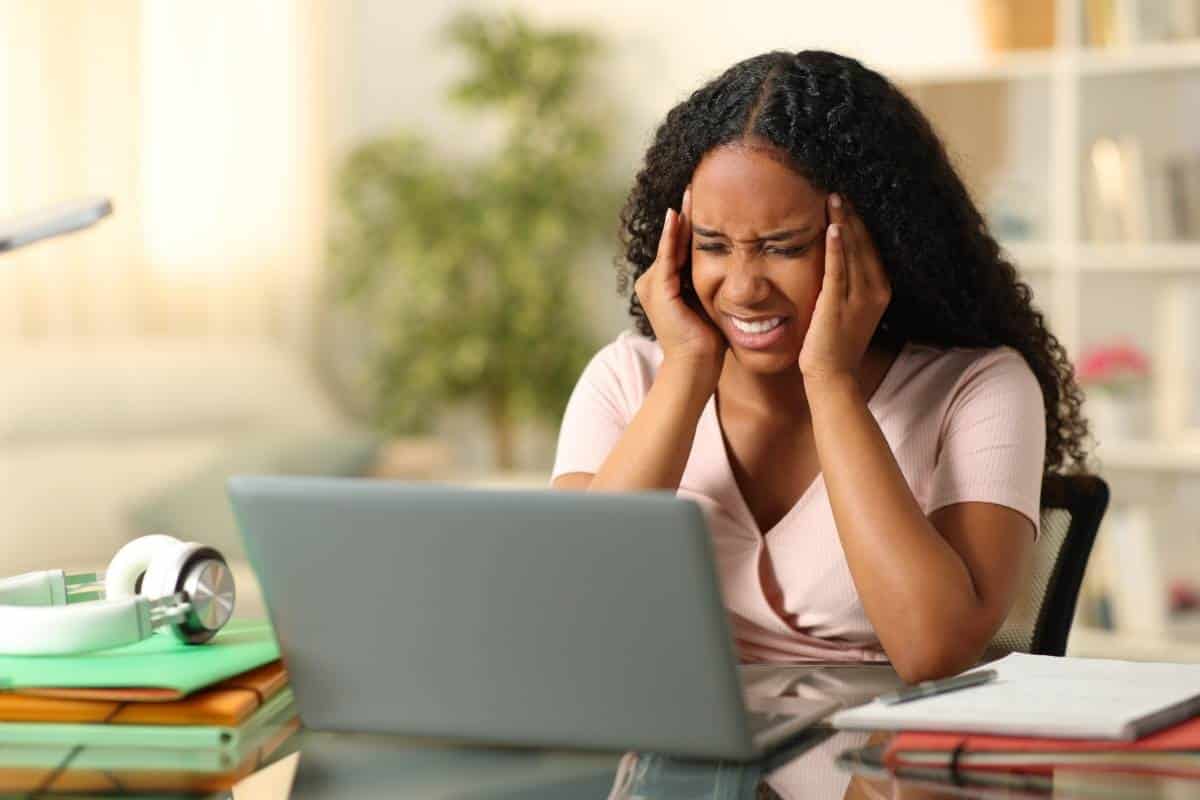
Life gets overwhelming at times. When anxiety builds up, it doesn’t just stay in your head—it spills over into your body, making everything feel tense and out of sync. That’s why taking care of both your mind and body is so important. It’s about finding balance, so your thoughts and physical health are working together, not against each other.
Sometimes, it’s the simple things that help the most. Whether it’s a small habit or a few moments of intentional downtime, these acts of self-care can make a big difference. They help ease the tension and give your mind some space to breathe, allowing you to feel more grounded.
The best part? Self-care isn’t a one-time fix. By consistently making time for yourself, you can build a more resilient mindset and better manage the pressures of everyday life.
Understanding the Mind-Body Connection
Anxiety doesn’t just live in your mind—it’s something your body feels, too. When you’re stressed or anxious, your muscles might tighten, your heart rate picks up, or your stomach feels uneasy. This physical response is your body’s way of reacting to mental stress. It’s all connected.
The science behind this is pretty clear. The brain communicates with the rest of your body through a network of nerves, especially the vagus nerve, which plays a big role in how your body responds to stress. When your mind is in overdrive, it sends signals to your body, leading to those familiar symptoms of anxiety like tension, headaches, and even digestive issues.
By addressing both the mind and body together, you can find better ways to manage anxiety. Recognizing that these symptoms are linked can help you take the first step toward more effective self-care.
The Role of Nutrition in Mental Health
The food you eat plays a significant role in how you feel mentally and physically. Certain nutrients are essential for maintaining mental clarity, stabilizing your mood, and reducing anxiety. By incorporating nutrient-rich foods into your diet, you can support your brain’s health and improve your ability to manage stress.
Here are a few important nutrients that can benefit your mental health:
- Omega-3 Fatty Acids: These healthy fats help improve brain function and reduce inflammation, which can lower anxiety levels. Good sources include fatty fish like salmon, flaxseeds, and walnuts.
- Magnesium: Known for its calming effects, magnesium helps reduce muscle tension and stress. You can find it in leafy greens, almonds, and pumpkin seeds.
- Vitamin D: Low levels of vitamin D have been linked to depression and anxiety. Ensuring you get enough sunlight or eating fortified foods can help boost your levels.
- B Vitamins: These vitamins support brain function and mood regulation by helping your body produce neurotransmitters. Whole grains, eggs, and legumes are excellent sources.
Using Natural Remedies and Supplements
Natural remedies and supplements are gaining popularity as effective ways to manage anxiety and stress. They offer a more holistic approach by supporting both the body and mind. Many people find relief through these alternatives, as they can help ease tension without the side effects that sometimes accompany traditional medications.
One popular option for reducing anxiety is CBD. Known for its calming effects, CBD products can help alleviate both mental and physical tension. If you’re considering this route, some find that balms or tinctures can be helpful, particularly when stress is felt in the body. For instance, if you’re experiencing muscle soreness or tension, you might prefer full spectrum options in the form of CBD muscle balm to naturally ease discomfort.
In addition to CBD, other natural remedies include:
- Herbal Teas: Chamomile and lavender teas are known for their calming properties and can help promote relaxation before bed.
- Essential Oils: Aromatherapy using oils like lavender, eucalyptus, or frankincense can reduce anxiety and create a soothing environment.
- Supplements: Consider adding supplements like ashwagandha, which is an adaptogen that helps your body manage stress, or valerian root, often used for its calming effects.
A word of warning: while natural remedies and supplements are promising, consulting with medical professionals is crucial. They do not cure mental health problems and do not guarantee effectiveness. A medical expert can provide recommendations, which may differ from one individual to another.
Mindfulness and Meditation
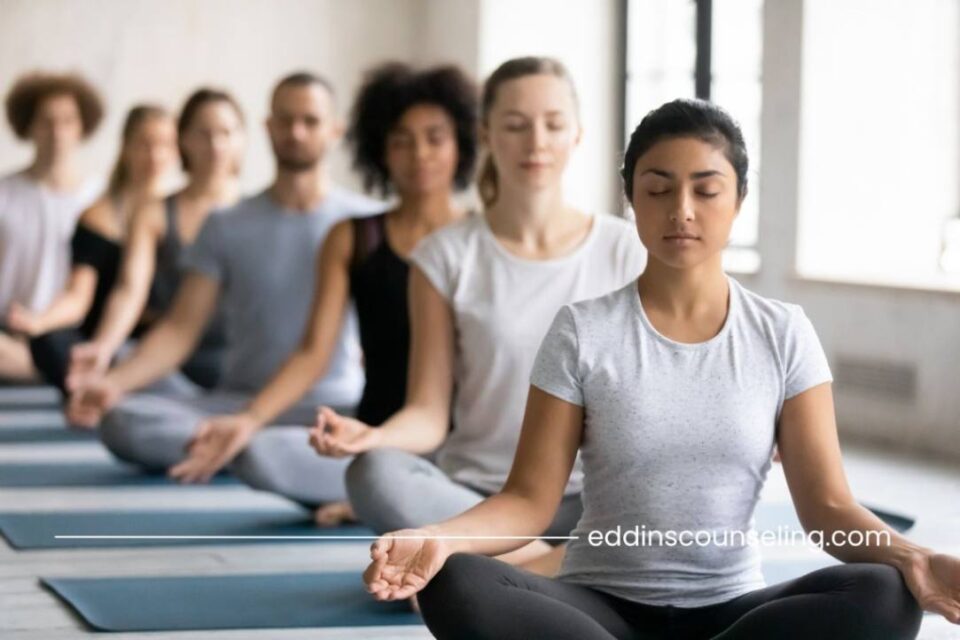
Mindfulness is about being fully present in the moment, without letting your mind drift to anxious thoughts or worries about the future. By focusing on the present, you can reduce the overwhelming feelings that often accompany anxiety, helping you feel more grounded and in control.
The benefits of mindfulness for anxiety are well-documented. Regular mindfulness practice can lower stress levels, improve emotional regulation, and boost overall mental health. It allows you to respond to challenges calmly rather than react impulsively out of anxiety or fear.
For beginners, a simple way to start mindfulness is through body scan meditation. This involves slowly moving your attention through different body parts, from your head down to your feet, noticing any tension and gently releasing it. This technique helps you reconnect with your physical self, which can be particularly useful during moments of anxiety.
Loving-kindness meditation is another effective method. By focusing on generating feelings of compassion and warmth toward yourself and others, you can shift your mindset away from negativity and self-criticism, which are often heightened during periods of anxiety.
Incorporating mindfulness into your routine doesn’t require much time. You can integrate mindful moments throughout your day—while eating, walking, or even while doing simple tasks. These small pockets of mindfulness can collectively help reduce anxiety and bring a sense of calm to your daily life.
Physical Movement and Exercise
Physical activity is one of the most effective ways to release built-up tension and improve mental clarity. When you’re feeling anxious, your body stores that stress in the form of tight muscles, headaches, or even digestive issues. Moving your body can help alleviate these physical symptoms while also boosting your mood by releasing endorphins, the brain’s natural feel-good chemicals.
Exercise doesn’t have to be intense or time-consuming to have a positive impact on your mental health. Even simple movements, like stretching or a short walk, can help reduce anxiety. Gentle exercises like yoga, which combines movement and breathwork, are particularly effective for calming the nervous system. Yoga encourages mindfulness, while also helping to stretch and relax muscles that tighten under stress.
Some other activities that can help reduce anxiety include:
- Walking: A 20-minute walk can clear your mind and reduce physical tension. Walking outside, especially in nature, can amplify these benefits by giving you a break from daily stressors.
- Cycling: This low-impact exercise not only strengthens your muscles but also offers a chance to focus on rhythmic movement, which can be meditative and calming.
- Tai Chi: This slow, flowing practice combines deep breathing with gentle movement, helping to calm the mind and relax the body.
The key is to find a form of movement that you enjoy and can do consistently. Over time, incorporating physical activity into your routine can help you manage anxiety more effectively, allowing you to feel more centered and in control.
Breathing Techniques
Breathing might seem simple, but when it comes to managing anxiety, it’s a powerful tool. When you feel anxious, your breathing tends to become shallow and rapid, which can lead to dizziness, increased heart rate, and even more anxiety. By practicing intentional, deep breathing techniques, you can help calm your nervous system and bring your mind back to a place of control.
Here are some effective breathing techniques to help reduce anxiety:
- Diaphragmatic Breathing: Also known as belly breathing, this technique helps you engage your diaphragm, allowing for deeper, more controlled breaths. Place one hand on your chest and the other on your abdomen. As you inhale, your abdomen should rise while your chest remains still. Slowly exhale, feeling your abdomen lower as you release tension.
- Box Breathing: This method is simple but effective for calming the mind. Inhale for four seconds, hold your breath for four seconds, exhale for four seconds, and hold again for four seconds. Repeat this cycle a few times, focusing on your breath to bring your mind into a more relaxed state.
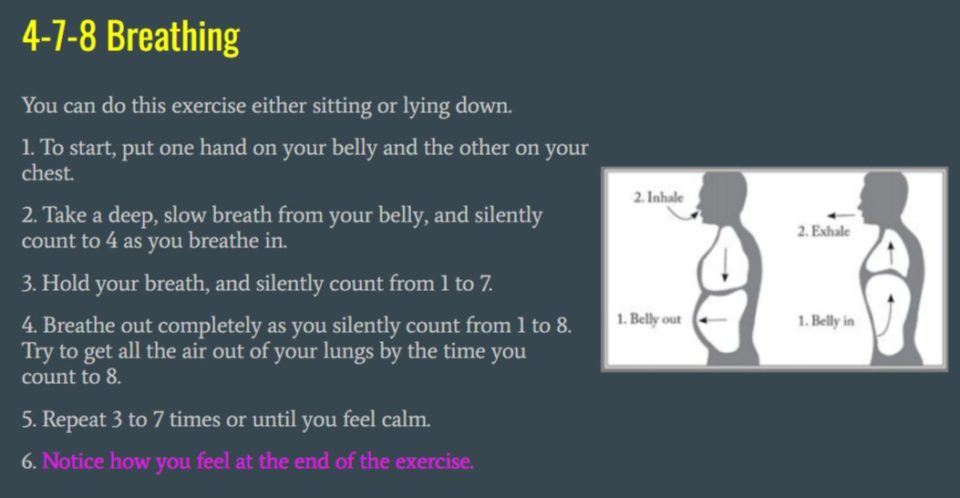
- 4-7-8 Breathing: Another useful technique, this method involves inhaling through your nose for four seconds, holding your breath for seven seconds, and exhaling slowly through your mouth for eight seconds. This longer exhale helps to release tension and slow your heart rate.
The Power of Journaling and Creative Expression
Journaling is a simple yet powerful tool for processing emotions, reducing anxiety, and gaining clarity. Writing down your thoughts can help you identify patterns in your thinking and release any bottled-up emotions. When dealing with anxiety, journaling allows you to externalize your thoughts, making it easier to understand and manage them rather than letting them build up internally.
The beauty of journaling is that there are no rules. You can write about anything—from what’s worrying you to things you’re grateful for. Some people find it helpful to keep a gratitude journal, focusing on positive moments to shift their mindset away from anxiety. Others prefer freewriting, where they jot down whatever comes to mind, helping release any negative thoughts or fears.
Creative expression extends beyond journaling. Engaging in creative activities like drawing, painting, or even playing music can have therapeutic benefits. These activities allow you to express feelings in non-verbal ways, giving your mind a break from constant worrying. Whether it’s doodling in a sketchbook or playing a calming tune on an instrument, creative expression provides an outlet for stress and anxiety.
Social Support and Connection

Anxiety can often make you feel isolated, but reaching out to others is one of the most powerful ways to manage those overwhelming emotions. Social support plays a crucial role in mental health by providing comfort, encouragement, and a sense of belonging. Whether it’s family, friends, or a support group, having people to talk to can make a significant difference in how you cope with anxiety.
When you connect with others, you’re reminded that you’re not alone in your struggles. Sometimes just talking through your feelings with a trusted friend can ease the burden of anxiety. They may offer perspective, share similar experiences, or simply listen, which can provide a sense of relief.
If you feel like you need more structured support, joining a mental health support group can also be highly beneficial. These groups provide a safe space to share your experiences and learn coping strategies from others who understand what you’re going through. Many find that these groups help reduce feelings of isolation and provide valuable tools for managing anxiety.
Regularly engaging with your support network can help create emotional resilience, making it easier to navigate stressful times. Even a simple text or phone call can foster connection and make you feel supported on your mental health journey.
Wrapping Up
Taking care of your mind and body requires ongoing attention, but it’s a practice that rewards you with a deeper sense of well-being. Prioritizing yourself isn’t selfish—it’s necessary. When you take the time to care for both your mental and physical health, you’re better equipped to face life’s challenges with clarity and strength.
The more you invest in these self-care practices, the more resilient you become. Anxiety and tension might not disappear overnight, but by making these simple yet impactful changes, you’ll find it easier to navigate stressful moments. Remember, self-care is a journey, and each small step you take helps build a stronger, more balanced foundation for your overall health.
Feel free to visit additional resources:
1. Articles on specific topics on our blog.
2. RSVP for one of our free monthly webinars (or view past webinars)
3. Follow us on Facebook and Instagram for additional interviews and tips
4. Take another one of our self-test quizzes
5. Schedule a consult and find out how we can support you.
Why You Feel This Way
Get instant access to your free ebook.
Blog Categories
Join a Therapy Group
Events
List of events in Photo View
-
Adult DBT Skills Evening Group | Eddins Counseling
Virtual Event -
-