
May 27, 2026
How Birth Complications Impact Family Dynamics and Mental Health
Written by Guest Author
Posted in Parenting & Family, Trauma, Grief & Loss and with tags: mental health, parenthood, parenting
While birth is often portrayed as a joyful experience, it can be traumatic for many. With one in three women experiencing childbirth trauma, complications like premature delivery or injury can transform a celebration into a life-altering event. The impact extends far beyond discharge, affecting mental health, relationships, and family dynamics. This blog examines those effects and offers insights into how families can begin to heal.
The Immediate Psychological Toll and the Weight of Trauma For Parents
An unexpected birth often triggers shock, fear, and sadness. What may seem like a “difficult birth” is actually a traumatic event with lasting mental health consequences. Birth-related post-traumatic stress disorder (CB-PTSD) is a specific and often overlooked form of PTSD. It is distinct from postpartum depression, which presents very differently.
Postpartum depression is associated with a low mood, but CB-PTSD is associated with an overactive, over-aroused nervous system. Affected parents may experience violent flashbacks and nightmares. They may also show extreme avoidance of triggers such as hospital corridors or the sound of fetal monitors. They live in constant hypervigilance and scan for threats that don’t exist.
The rate of this trauma is notable. While CB-PTSD impacts around 5% to 6% of birthing parents in the general population, rates increase to as high as 41% after complicated deliveries.
Studies of particular birth injuries like obstetric brachial plexus injury (OBPI) highlight this seriousness. One study revealed that although 15% of mothers showed signs of depression, an alarming 42% exhibited PTSD symptoms. It significantly surpasses the general U.S. PTSD rate of approximately 3.6%.
Perhaps the most heartbreaking aspect of untreated trauma is the effect it has on the parent-child bonding. Moms with CB-PTSD are frequently not as sensitive and less emotionally connected to their babies. This is NOT a lack of love but rather a biological survival mechanism.
The brain is in survival mode and may numb the emotions as a response to the fear and turmoil that occurred during birth. This means that seeing the baby can cause the painful memories to return and create difficulties with early attachment.
This psychological burden is further aggravated by complications involving a lifelong diagnosis like cerebral palsy. Parents are not only responding to an acute crisis but also to a chronic stressor of “wondering and waiting”. They are placed in limbo awaiting diagnoses, recovery, and an understanding of what their child’s future may hold.
Just as much as a definite diagnosis, this chronic ambiguity can be debilitating, because it robs the person of closure and adaptation. The trauma evolves from the initial event into enduring emotional pain because uncertainty about the future becomes a significant mental health burden.
Navigating the Relationship As Spouses Become Caregivers
Birth complications can dramatically change the relationship between partners. Going from a romantic couple to a 24/7 caretaking team is usually far from smooth. The significant physical and emotional requirements of looking after a child with special needs frequently provide minimal opportunity for parents to foster their own relationship.
Many mothers report having no time for their partners or spouses. Their lives are completely organized around the child’s functional restrictions, such as feeding, bathing, and handling ongoing medical visits.
A relationship can start to break when faced with sudden grief, lack of sleep, a crying baby, and potentially the intricate medical requirements of a child with CP or a brachial plexus injury. The emotional and physical “double job” of caregiving, particularly when a child requires frequent physiotherapy, speech therapy, and constant physical support, is a recipe for chronic stress.
There can be increased marital conflict following such diagnoses, and in some cases, a higher risk of separation. The couple that existed before the birth is suddenly tasked with navigating a world of specialists and surgical decisions, often with no time left to simply be partners.
The financial and practical challenges that come with chronic care can often be an additional strain. If one parent has to stay home, the family survives on a single income or on Social Security. Finances then become a major strain on the marriage. Yet even in hardship, love and advocacy can help families strengthen their connection, but getting there is usually after years of emotional fatigue and family friction.
The Impact on Siblings
Birth complications also impact healthy siblings. These children are frequently overlooked. They lose attention as parents attend to the sibling with urgent medical needs. They may feel neglected and struggle with guilt. Healthy siblings can also experience anxiety or act out in search of care and recognition.
This new family arrangement can lead to children taking on responsibilities much earlier than they should. It applies especially to older siblings who could be burdened with too much. This transition from child to adult too soon can leave them feeling lonely and stressed. Some siblings avoid school to care for their sick sibling or face teasing, leading to withdrawal and shame.
These experiences undoubtedly can harm long-term mental health, but they often foster greater empathy and maturity. Open communication and time spent to ensure that each child feels seen and valued will be key in promoting positive growth whilst minimizing the impact of the negative. Siblings must be supported individually, for example, in a dedicated peer group where they can share their emotions and discuss their specific difficulties.
The Financial and Societal Weight of Care
The economic impact of childbirth issues can be severe. Aside from immediate healthcare costs, families encounter ongoing expenses. This includes costs of specialized devices, therapies, and medications.
Studies show that over 90% of families who have a child with cerebral palsy suffer from significant financial stress. Parents lose their jobs, can’t concentrate at work, and see their savings diminish as they must continue to attend appointments and treatments. The ongoing strain of stretching finite resources damages mental health just as the emotional burden of the diagnosis does.
Social perceptions contribute an additional aspect of suffering. Families with children who have visible disabilities encounter persistent social stigma. They are subjected to stares, queried with invasive questions, and frequently unjustly blamed for disregarding their children. Inaccessible public spaces reinforce exclusion. Examples are stairs without ramps or playgrounds without adaptive equipment. Families frequently feel outcasts just when they need to be accepted the most.
This kind of discrimination especially affects mothers who often endure the continuous pressure of caring for their disabled children day by day. The constant physical effort of carrying their growing children, along with the sorrowful feeling of missing important developmental stages, causes immense tiredness.
Many neglect their own health needs due to sheer fatigue. Friends and sometimes even family may become withdrawn because of not knowing what to say or do. The lack of trustworthy people to share the responsibility makes travel and social visits impossible. The house becomes an emotional island over time, worsening feelings of loneliness and despair.
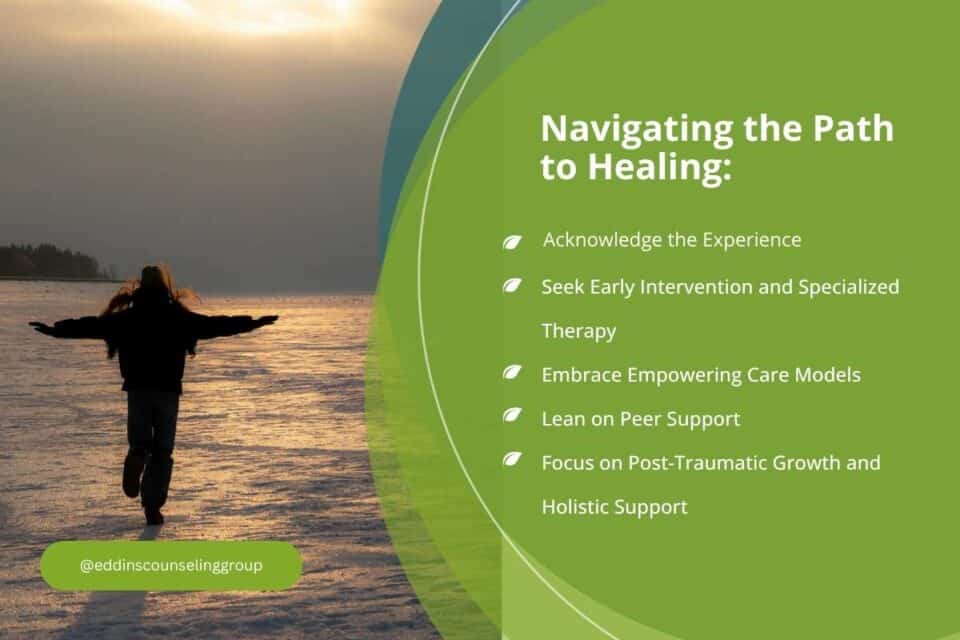
Navigating the Path to Healing
Concentrating on mental wellness may seem unattainable for parents exhausted by restless nights and therapy appointments. However, minor and deliberate actions can lead to significant change.
Acknowledge the Experience
The first step to healing is to name your experience. Speak with someone you trust about it. Feelings like flashbacks, numbness, irritability, and detachment from the baby are not personal flaws. They’re natural reactions of the brain under stressful circumstances.
Early Intervention and Specialized Therapy
The days right after birth are an opportunity to protect against the consolidation of traumatic memory. Brief early interventions can greatly decrease the severity of long-term PTSD. Examples are expressive writing or one session with eye movement desensitization and reprocessing (EMDR).
Find a therapist specializing in perinatal mental health. Cognitive behavioral therapy for trauma can support recovery after birth. Acceptance-based therapy can be more useful than attempting to solve the problems of negative thoughts. It enables parents to accept their grief while concentrating on the important aspects of raising their baby.
Empowering Care Models
The helplessness of birth trauma is overcome as the parents become active participants rather than passive spectators with their babies in the NICU. Family-Centered Care (FCC) and Family Integrated Care (FICare) are models that welcome parents as informed partners on the care team. These strategies have been found to decrease parental stress and depression. They also increase confidence levels and improve infant outcomes. Being part of the solution restores a feeling of control.
The Power of Peer Support
Isolation is one of the characteristics of birth trauma, but peer support is the antidote. It’s an opportunity to meet parents who have experienced a similar loss or disability diagnosis to yours, or a preterm birth, and a place where you can meet them without having to explain your loss or justify why it triggers you. Finding a community with a shared understanding can be healing and more beneficial than platitudes. In these places, isolation ends, and hope grows.
Post-Traumatic Growth and Holistic Support
Don’t think healing means you will be the same person as you were before delivery. That person is no longer there. They’re replaced by someone who could have scars, but also has a new, raw dimension to their love. This is called PTG or post-traumatic growth. Many families report greater personal strength, greater spiritual bonds, and a revolution in who they are as advocates.
Spirituality and extended family support are usually important coping strategies for everyday demands. Healing requires a family-centered approach. The psychological health of parents and siblings is just as important. Knowledge, counseling, and peer support strengthen the family as well.
Advocating for Your Child’s Future
The mental burden is greatest when the injury could have been prevented. Families enduring the consequences of medical negligence experience sorrow intertwined with a demand for accountability. This transforms legal action into both a quest for justice and a means to ensure their child’s future.
A birth injury lawsuit is the only way for many families to cover the child’s needs. This includes ongoing treatments and specialized accommodations. Compensation eases the heavy financial load of lifelong medical costs and lost earnings. It creates a feasible strategy that allows parents to focus on caregiving rather than on financial strain.
Apart from financial matters, the legal system offers clarity. Lawyers examine whether the standard of care was met, responding to families who are often left in silence by healthcare facilities. This awareness promotes emotional closure and reinstates a feeling of control.
Many firms operate on a contingency framework (“no win, no fee”), removing the burden of initial expenses. Remember, strict statutes of limitation apply. Requesting a complimentary case evaluation promptly is a crucial step to safeguard your child’s future well-being.
Endnote
Childbirth complications transform the emotional foundation of a family. PTSD, depression, and chronic stress impact parents, siblings, and relationships significantly. As a society, we need to look past the “uniformly happy” story of childbirth and acknowledge those who experience a different reality.
Combining mental health services, enhancing financial safeguards, and promoting empathy instead of judgment can assist families in regaining happiness. Families can collectively create a resilient future with the right support and justice when necessary.
Feel free to visit additional resources:
1. Articles on specific topics on our blog.
2. RSVP for one of our free monthly webinars (or view past webinars)
3. Follow us on Facebook and Instagram for additional interviews and tips
4. Take another one of our self-test quizzes
5. Schedule a consult and find out how we can support you.
Birth complications can have a profound emotional impact on parents and families, especially when a traumatic delivery, birth injury, or unexpected medical diagnosis changes the course of early parenthood. Alongside the physical recovery and caregiving responsibilities, many parents experience anxiety, grief, fear, emotional numbness, and ongoing stress as they try to process what happened. It’s common for the mind to replay the birth experience, anticipate worst-case scenarios, and remain in a constant state of hypervigilance, particularly when caring for a child with ongoing medical needs. These reactions are often intensified by sleep deprivation, financial strain, uncertainty about the future, and the emotional weight of navigating therapies, hospital visits, or long-term care decisions. Without emotional support and coping tools, families can begin to feel isolated, overwhelmed, and emotionally exhausted.
At Eddins Counseling Group, we understand that healing after a traumatic birth experience involves more than managing logistics or medical appointments—it also means caring for the emotional health of parents, relationships, and the family as a whole. Our therapists help clients work through birth trauma, anxiety, PTSD symptoms, caregiver stress, grief, and relationship strain by building practical coping strategies that support emotional stability in daily life. This may include grounding techniques, emotional regulation skills, processing traumatic memories, improving communication between partners, and creating routines that reduce overwhelm and restore a sense of control. We also support parents in separating self-worth from circumstances beyond their control so they can move forward with greater self-compassion, resilience, and clarity.
We offer both in-person and online therapy sessions to fit your family’s needs. Call us today at 832-559-2622 or book online to get support in navigating the emotional impact of birth complications and building the tools needed for healing, connection, and long-term resilience.