
December 9, 2024
The Power of Creativity in Boosting Mental Health and Self-Esteem
Written by Guest Author
Posted in Emotional & Mental Health, Self Help / Personal Development and with tags: mental health, self care, self improvement, self-esteem

In recent years, creative expression has gained recognition as a powerful tool for enhancing mental health and self-esteem. Whether through art, writing, crafting, or music, creative activities offer a therapeutic outlet that allows individuals to explore their emotions, find relief from stress, and foster a sense of accomplishment. Engaging in creativity can be transformative, providing a means to process complex feelings and increase personal resilience. This article delves into how creativity contributes to mental well-being and offers practical tips for incorporating creative outlets into daily life.
Why Creativity Matters for Mental Health
Studies have shown that engaging in creative activities can reduce symptoms of anxiety, depression, and stress. In fact, a report from the American Journal of Public Health found that art-based activities can decrease cortisol levels, the hormone associated with stress. When individuals create something, they experience a sense of achievement, which in turn boosts confidence and self-esteem. Additionally, creative expression provides a safe space to explore emotions that may otherwise feel overwhelming.
While formal art therapy can be incredibly beneficial, you don’t have to be an artist to experience the positive effects of creative expression. Simply engaging in an activity that feels fulfilling—whether it’s painting, journaling, or designing photo books—can offer a sense of control, joy, and connection.
Exploring Different Types of Creative Outlets
Creative expression comes in many forms, and finding the right activity is key to sustaining a regular practice. Here are a few ideas to consider:
- Journaling and Writing: Writing can be an excellent way to release emotions, reflect on personal experiences, and clarify thoughts. Journals can also serve as private spaces for setting goals and tracking progress.
- Art and Crafting: Painting, drawing, and crafting allow for visual expression. There’s no right or wrong in art—only self-expression.
- Music and Dance: For those who enjoy movement, music and dance can be powerful ways to channel emotions. Singing, playing an instrument, or dancing can be incredibly therapeutic.
- Photography and Photo Books: Capturing moments through photography and creating photo books to preserve memories can provide a visual way to reflect on meaningful experiences.
- DIY and Home Projects: Building, organizing, or redecorating can also fulfill creative needs. These projects allow individuals to create a space that feels comforting and personal.
Experimenting with different types of creative outlets can help you find one that fits your personality and lifestyle. Remember, the goal is not perfection but rather exploration and personal fulfillment.
The Role of Creativity in Managing Stress
Incorporating creativity into daily life can be especially helpful for stress management. When we’re stressed, it’s easy to become overwhelmed and lose perspective. Creative activities can pull us out of that mental space, giving us an opportunity to focus on something positive and soothing.
Consider a time when you felt “in the zone” while working on a project or activity. That feeling of flow—being fully absorbed in what you’re doing—is one of the most beneficial aspects of creative work. Studies indicate that experiencing this flow state can lower stress and increase happiness. Creative outlets give the mind a break from its usual worries, providing a chance to relax and recharge.
How Creative Hobbies Can Build Resilience

Resilience is the ability to bounce back from adversity, and creative activities are a valuable way to build it. When we create, we’re often faced with challenges and mistakes—smudged paint, a misplaced stitch, or a story that just doesn’t flow. Working through these obstacles can teach patience, problem-solving, and adaptability, which are all essential components of resilience.
For instance, crafting or creating DIY projects may involve trial and error, but each mistake is an opportunity to adapt. Similarly, working on long-term creative projects, such as assembling a photo book of personal milestones, can provide a sense of progress and achievement that builds resilience over time. When you complete a creative project, no matter how small, you reinforce the belief that you are capable of overcoming obstacles—a mindset that extends to other areas of life.
The Social Aspect of Creativity
Creativity doesn’t have to be a solo activity; in fact, it can also be a way to connect with others. Group art classes, music jams, and book clubs are just a few examples of how creative activities can foster community and social interaction. Engaging in creativity with others can enhance feelings of belonging, reduce loneliness, and build support networks.
For example, joining a local crafting group or taking part in an art workshop allows individuals to share ideas, exchange feedback, and enjoy the creative process together. Social support is a critical factor in mental health, and creative communities provide a positive environment where people can feel accepted and understood. Even online groups and forums for sharing creative work can offer a sense of connection.
Simple Ways to Start a Creative Practice
Starting a creative routine doesn’t have to be time-consuming or complex. Here are some easy ways to begin:
- Start Small: Begin with 10-15 minutes a day dedicated to a creative activity of your choice.
- Create a Dedicated Space: Set up a small area with art supplies, notebooks, or instruments where you can work without distraction.
- Set Personal Goals: Challenge yourself to complete a project, like finishing a sketchbook or writing a short story.
- Join a Community: Seek out local workshops or online groups to stay motivated and inspired.
- Celebrate Your Progress: Every piece you create, no matter how small, is an accomplishment. Take pride in each step.
Incorporating creativity into daily life doesn’t require hours of time or professional skills. Even brief moments of creative work can provide an emotional release, helping you develop a positive routine that supports mental health.
Customizing Your Creativity: The Role of Personalization
Personalizing creative projects can make the experience even more meaningful. For example, creating custom patches with personal symbols, initials, or designs can be a fun way to express your identity. Customizing projects like patches or other small crafts allows for creativity to be a deeply personal act, reinforcing self-expression and individuality.
Personalized projects can also serve as symbols of personal growth or specific milestones. Adding a custom patch to a jacket or bag, or designing something that represents a significant event or achievement, can add a layer of meaning to the creative process. These small projects are often enjoyable, and they provide tangible reminders of your efforts and progress.
How Creativity Enhances Self-Esteem
Engaging in creative activities can be particularly effective for improving self-esteem. Creativity encourages you to take risks, express yourself, and try new things—all of which build confidence over time. When you create something, you gain a sense of accomplishment, and with each completed project, self-worth grows.
People often discover strengths and talents they weren’t aware of when they engage in creative work. For instance, a person who starts painting as a hobby might realize they have a natural ability for color composition. Similarly, someone who takes up crafting may find satisfaction in designing intricate patterns or creating items they can use daily. These discoveries foster a positive self-image and open the door to new passions and skills.
Concluding Thoughts: Embrace the Journey, Not Just the Result
Creativity is about the process as much as the end result. The act of creating—whether it’s designing a photo book, stitching custom patches, or writing poetry—is an opportunity to explore thoughts, express emotions, and find peace. While the finished product may be rewarding, it’s the journey of getting there that offers the most profound mental health benefits.
If you’re looking to support your mental health, consider incorporating creative activities into your routine. It doesn’t matter if you’re experienced or a complete beginner; creativity is for everyone. As you explore your interests and try new things, you’ll likely find that the benefits extend beyond just personal enjoyment. Creativity becomes a tool for self-care, self-discovery, and resilience, enhancing not only your mental well-being but also your connection to yourself.
Feel free to visit additional resources:
1. Articles on specific topics on our blog.
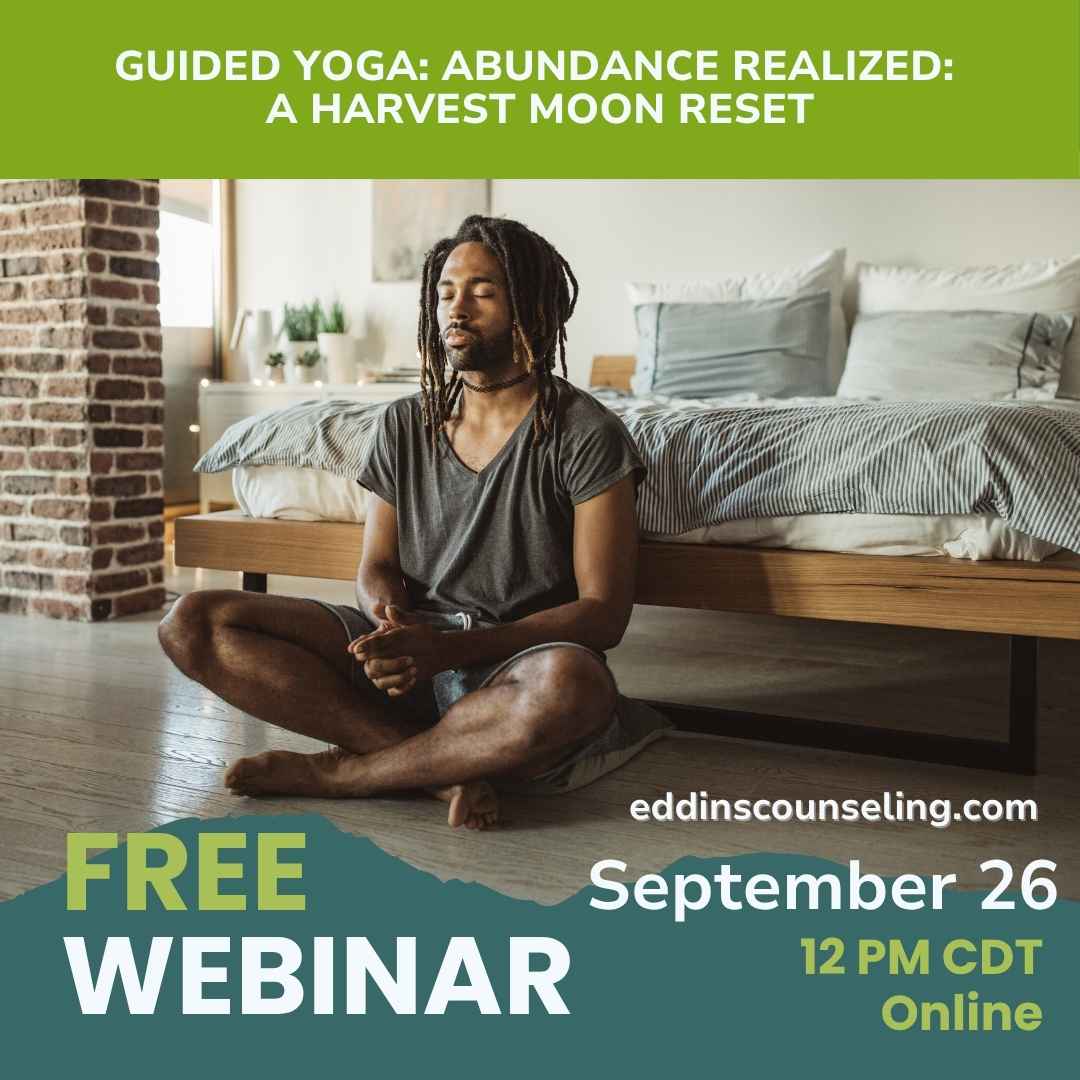
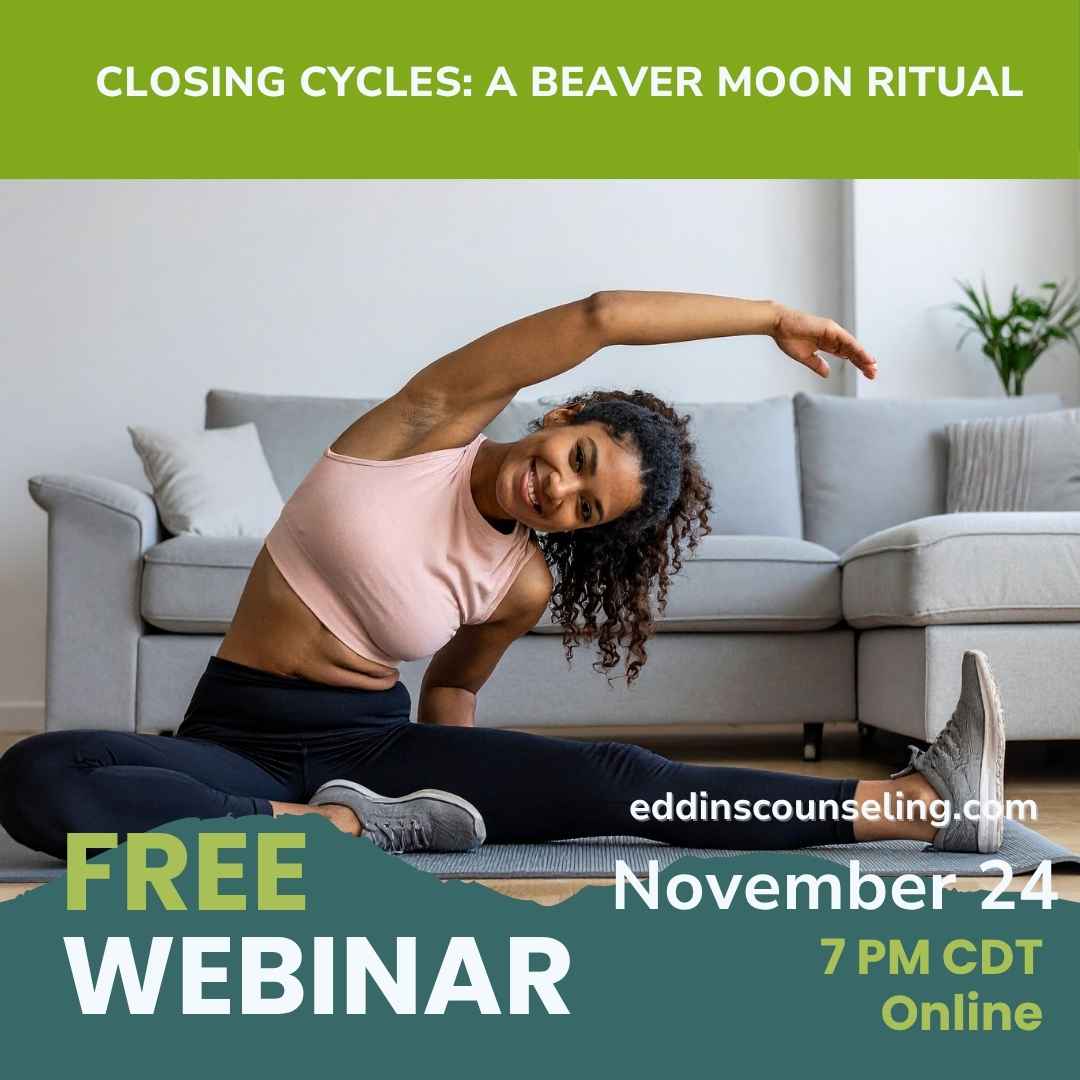
2. RSVP for one of our free monthly webinars (or view past webinars)
3. Follow us on Facebook and Instagram for additional interviews and tips
4. Take another one of our self-test quizzes
5. Schedule a consult and find out how we can support you.
Why You Feel This Way
Get instant access to your free ebook.
Blog Categories
Join a Therapy Group
Events
List of events in Photo View
Adult DBT Skills Evening Group | Eddins Counseling
Virtual Event