

November 22, 2024
Supporting Student Mental Health in Schools: A Guide for Parents, Educators, and Counselors
Written by Guest Author
Posted in Emotional & Mental Health, Parenting & Family and with tags: mental health, parenting, school, self improvement, students
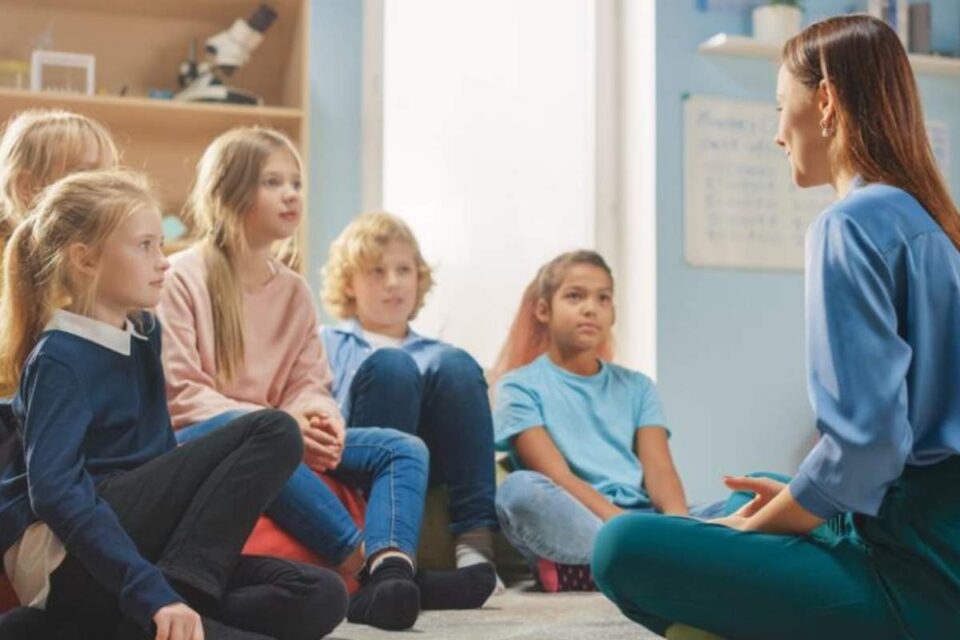
The role of schools goes beyond academics; they are essential environments where students learn social skills, face personal challenges, and shape their identities. With an increasing awareness of mental health, schools are now tasked with supporting students’ emotional and psychological well-being as well. This article explores strategies that can help schools become more supportive spaces, promoting mental health and equipping students with the tools to thrive.
The Growing Need for Mental Health Support in Schools
Today’s students face unique pressures that previous generations did not, with social media, academic competition, and global issues contributing to high stress levels. According to the National Institute of Mental Health, one in five adolescents has a mental health disorder, such as anxiety or depression, which often impacts their school performance and relationships. Schools are in a pivotal position to help address these concerns early, identifying struggles before they escalate.
Addressing mental health within schools requires collaboration among educators, counselors, parents, and even peers. It’s about creating an environment where students feel safe and supported—both emotionally and socially—so they can focus on their studies and personal growth.
Recognizing Signs of Mental Health Struggles in Students
Many students may not openly discuss their mental health struggles, which can make it challenging for teachers and parents to recognize when something is wrong. Recognizing early warning signs is crucial, as timely intervention can help prevent issues from worsening. Teachers, who spend a considerable amount of time with students, are often in a unique position to observe these signs in a school setting.
Some common indicators of mental health struggles in students include:
- Persistent Sadness or Irritability: Frequent mood swings or emotional outbursts.
- Changes in Academic Performance: A sudden drop in grades or loss of interest in schoolwork.
- Social Withdrawal: Avoiding friends, isolating themselves, or refusing to participate in group activities.
- Difficulty Concentrating: Trouble focusing on assignments or frequently forgetting instructions.
- Physical Symptoms: Headaches, stomachaches, or other unexplained symptoms that may be linked to stress.
By being observant and proactive, teachers and school staff can identify students who may benefit from additional support, and they can work together with school counselors and parents to provide the necessary assistance.
Creating a Safe School Environment
A supportive school environment is crucial to helping students feel secure and comfortable. When students feel safe, they’re more likely to engage in learning and social activities. Schools can create a positive environment by taking proactive measures that promote safety, both physically and emotionally.
One approach is implementing tools like a vape detector in school bathrooms and common areas. While this may seem like a small addition, it’s one way to address a common stressor among students: peer pressure and risky behaviors. Many schools are facing challenges with vaping, which is becoming more common among teens. A vape detector can help schools discourage this behavior and maintain a healthy environment, removing one more source of potential stress for students.
In addition to physical safety, emotional safety is essential. Schools can foster emotional safety by implementing anti-bullying programs, encouraging open communication, and ensuring students have access to supportive staff members, such as counselors and trusted teachers.
Encouraging Peer Support and Empathy
Peer relationships are vital in adolescence, and fostering a culture of empathy and peer support can significantly benefit student mental health. When students feel supported by their friends, they’re more likely to have the confidence to face challenges and seek help when needed.
Schools can promote peer support by:
- Creating Peer Counseling Programs: Students trained in active listening and empathy can provide informal support to their peers.
- Encouraging Group Activities: Group work in classrooms and extracurriculars can help build stronger peer bonds.
- Implementing Mentorship Programs: Older students can mentor younger ones, providing guidance and acting as role models.
- Teaching Social-Emotional Learning (SEL): SEL programs teach skills like empathy, self-awareness, and relationship building.
- Promoting a Culture of Kindness: Schools can organize activities and campaigns to encourage kindness and discourage bullying.
When students are equipped to support each other, they’re more likely to create a positive, inclusive atmosphere that benefits everyone.
Educating Students on Mental Health
One of the most effective ways to support student mental health is through education. Teaching students about mental health from an early age helps them understand and manage their emotions, recognize when they need help, and seek assistance without shame. Schools can incorporate mental health education into their curriculum, addressing topics such as managing stress, recognizing signs of mental health issues, and knowing where to find resources.
This education could include guest speakers, workshops, or even short classes focused on emotional intelligence. Not only does this approach help students, but it also fosters an open dialogue about mental health, breaking down the stigma and making students more likely to support each other.
Partnering with Parents and Guardians
Parents and guardians are essential allies in promoting student mental health. By working closely with parents, schools can ensure that students receive consistent support at home and in the classroom. When schools and parents communicate openly, it helps to create a more comprehensive support system for the student.
Schools can encourage parent involvement by:
- Hosting Regular Meetings: Regularly scheduled meetings allow teachers, counselors, and parents to discuss student progress and any concerns.
- Providing Resources and Workshops: Offering workshops and resources on topics like mental health awareness, stress management, and positive parenting strategies can equip parents to support their children.
- Encouraging Open Communication: Schools can set up a communication channel where parents can easily reach out to counselors or teachers with concerns.
Parental involvement is especially important when a student is undergoing a challenging time, as it provides them with a stable support system both at home and at school.
Addressing the Impact of Social Media
Social media has become a central part of adolescent life, and it has both positive and negative impacts on student mental health. While social media allows students to connect with others, it can also create feelings of inadequacy, isolation, and anxiety. Schools can play a role in helping students manage social media use in a healthy way by incorporating digital wellness into the curriculum.
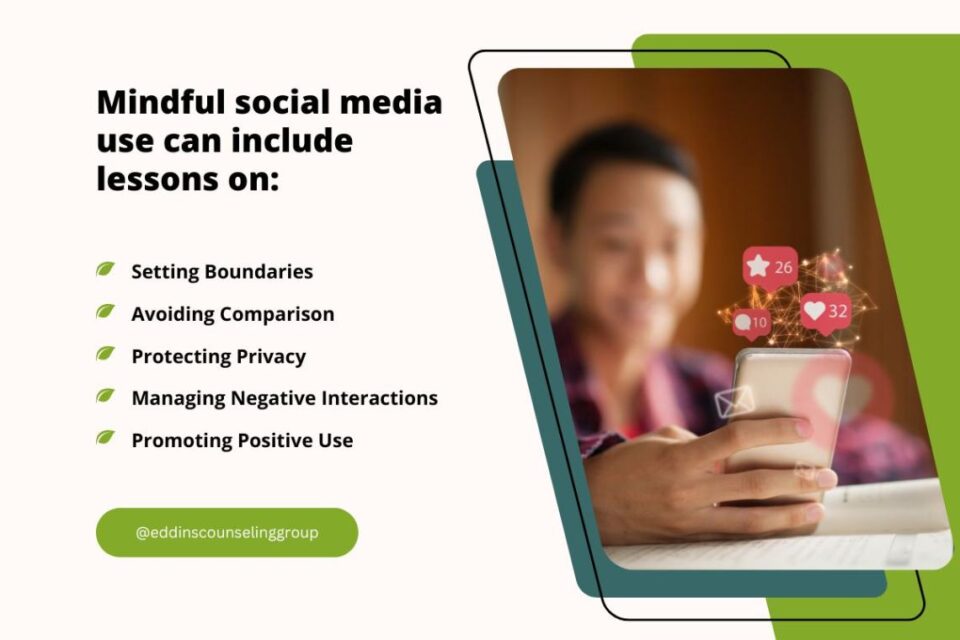
Teaching students how to use social media mindfully can include lessons on:
- Setting Boundaries: Limiting screen time and understanding when it’s time to take a break.
- Avoiding Comparison: Focusing on personal goals and self-improvement rather than comparing themselves to others.
- Protecting Privacy: Understanding the importance of online privacy and how to set boundaries with their digital presence.
- Managing Negative Interactions: Knowing how to handle online conflicts or negative comments in a healthy way.
- Promoting Positive Use: Encouraging students to use social media to share positive experiences and support each other.
Equipping students with these skills can help them navigate the online world more effectively, reducing the negative impact of social media on their mental health.
Providing Access to Mental Health Resources
Access to mental health resources within schools is crucial for students who need additional support. By providing accessible services, such as counseling, schools ensure that students have a safe space to discuss their challenges and receive guidance. Ideally, schools should have a licensed counselor available for students who may need regular sessions or check-ins.
If hiring a full-time counselor isn’t feasible, schools can also explore partnerships with local mental health organizations that can provide on-campus resources or referrals to community services. Teletherapy options may also be considered for students who prefer virtual support.
Providing these resources doesn’t just help students with current issues; it empowers them to seek support independently in the future. Learning to access mental health resources is a life skill that can benefit them well into adulthood.
Final Thoughts on Supporting Mental Health in Schools
Supporting student mental health in schools requires a multifaceted approach, combining education, safety measures, peer support, and professional resources. When students feel supported emotionally and physically, they are more likely to engage in their studies, form healthy relationships, and develop resilience.
Schools play a vital role in shaping students’ mental health, but they can’t do it alone. It’s a collaborative effort between educators, counselors, parents, and students themselves. By working together, we can create school environments that foster both academic success and emotional well-being, preparing students for a balanced, fulfilling life beyond school.
Feel free to visit additional resources:
1. Articles on specific topics on our blog.
2. RSVP for one of our free monthly webinars (or view past webinars)
3. Follow us on Facebook and Instagram for additional interviews and tips
4. Take another one of our self-test quizzes
5. Schedule a consult and find out how we can support you.
Why You Feel This Way
Get instant access to your free ebook.
Blog Categories
Join a Therapy Group
Events
List of events in Photo View
-
Adult DBT Skills Evening Group | Eddins Counseling
Virtual Event -
-